
Navigating Medicare can sometimes feel like solving a complex puzzle, especially when it comes to prescription drug coverage. For many, the cost of medications is a significant concern, and finding the right plan can unlock substantial savings and peace of mind. If you're wondering how to manage your medication costs under Medicare, you've come to the right place. This friendly guide will demystify Medicare Prescription Drug Plans (Part D), helping you understand their importance and how to choose the best option for your unique needs.
What is Medicare Part D?
Simply put, Medicare Part D is your pathway to affordable prescription drugs. Unlike Original Medicare (Parts A & B), which primarily covers hospital and medical services, Part D helps cover the costs of your medications. These plans are offered by private insurance companies approved by Medicare, and they come in two main forms:
Understanding which type of plan works best for you is the first step towards unlocking your savings.
Why is Part D So Important?
Enrolling in a Part D plan isn't just about saving money; it's about crucial financial protection and ensuring access to the medications you need. Here's why it's so vital:
Key Things to Understand About Part D Plans
To make an informed decision, it's helpful to understand some core concepts of Part D plans:
Formularies: Your Plan's Drug List
Each Part D plan has a formulary, which is a list of covered prescription drugs. Formularies are typically organized into "tiers," with drugs in lower tiers usually having lower copayments. For example:
It's crucial to check if your specific medications are on a plan's formulary and what tier they fall into.
Deductibles, Copayments, and Coinsurance
These costs vary significantly between plans, so comparing them is vital.
The Coverage Gap (Often Called the "Donut Hole")
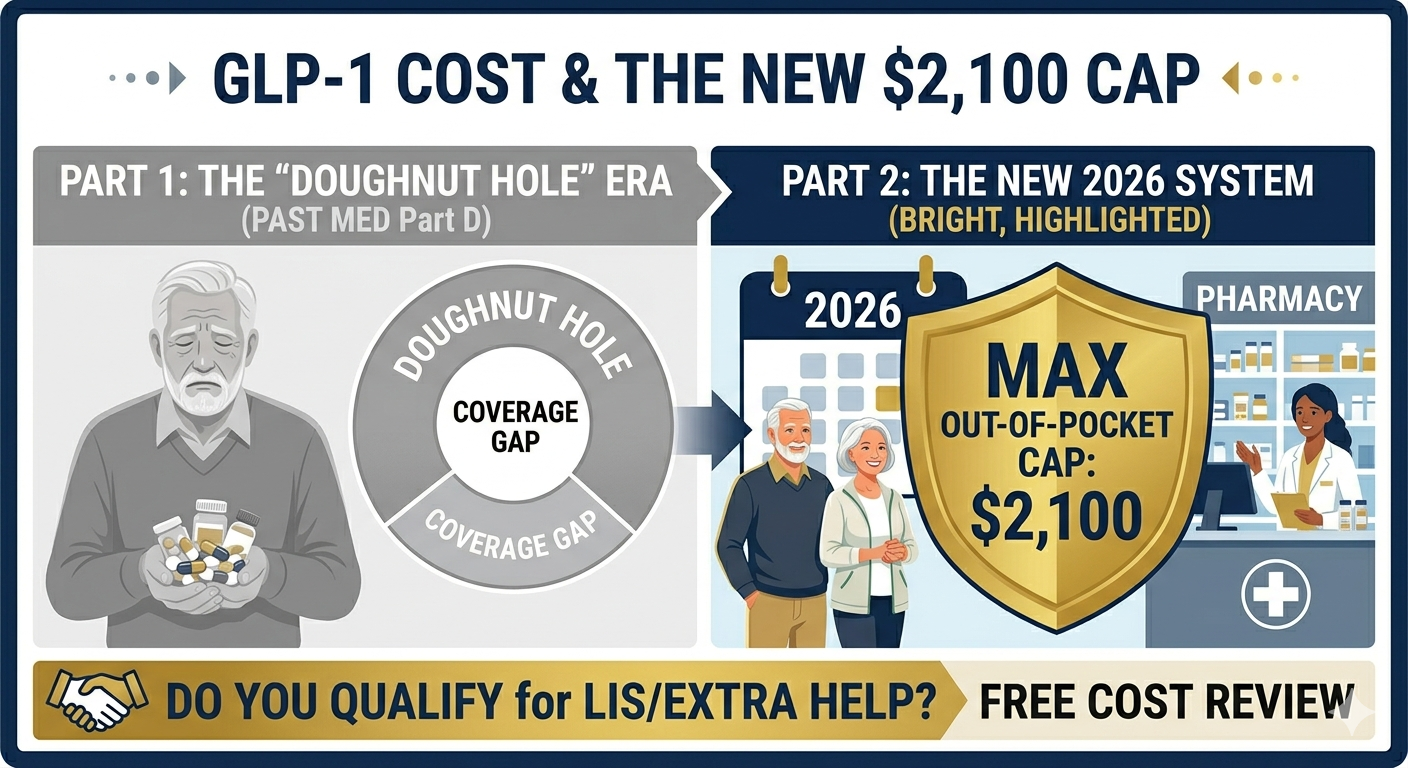
The coverage gap, or "donut hole," used to be a major concern for many beneficiaries. It's a temporary limit on what the drug plan will pay for drugs. After you and your plan have spent a certain amount on covered drugs (the initial coverage limit), you enter the coverage gap. While in the gap, you pay a higher percentage for your drugs.
However, thanks to recent legislation, the donut hole is no longer what it once was. For most drugs, you now pay no more than 25% of the cost for both brand-name and generic drugs while in the coverage gap. This change has significantly reduced the burden on beneficiaries.
Catastrophic Coverage
Once your out-of-pocket spending on covered drugs reaches a certain limit while in the coverage gap, you exit the donut hole and enter catastrophic coverage. At this stage, your plan pays almost all of the costs for your covered drugs for the remainder of the year. This provides essential protection against extremely high drug costs.
When Can You Enroll or Change Your Part D Plan?
Understanding enrollment periods is key to avoiding penalties and ensuring you have the right coverage: