
What Are GLP-1 Drugs?
GLP-1 stands for glucagon-like peptide-1. These are a class of medications that work by mimicking a hormone your body naturally produces after eating. They help regulate blood sugar, slow digestion, and reduce appetite. Originally developed to treat Type 2 diabetes, GLP-1 drugs have become widely used for weight management as well.
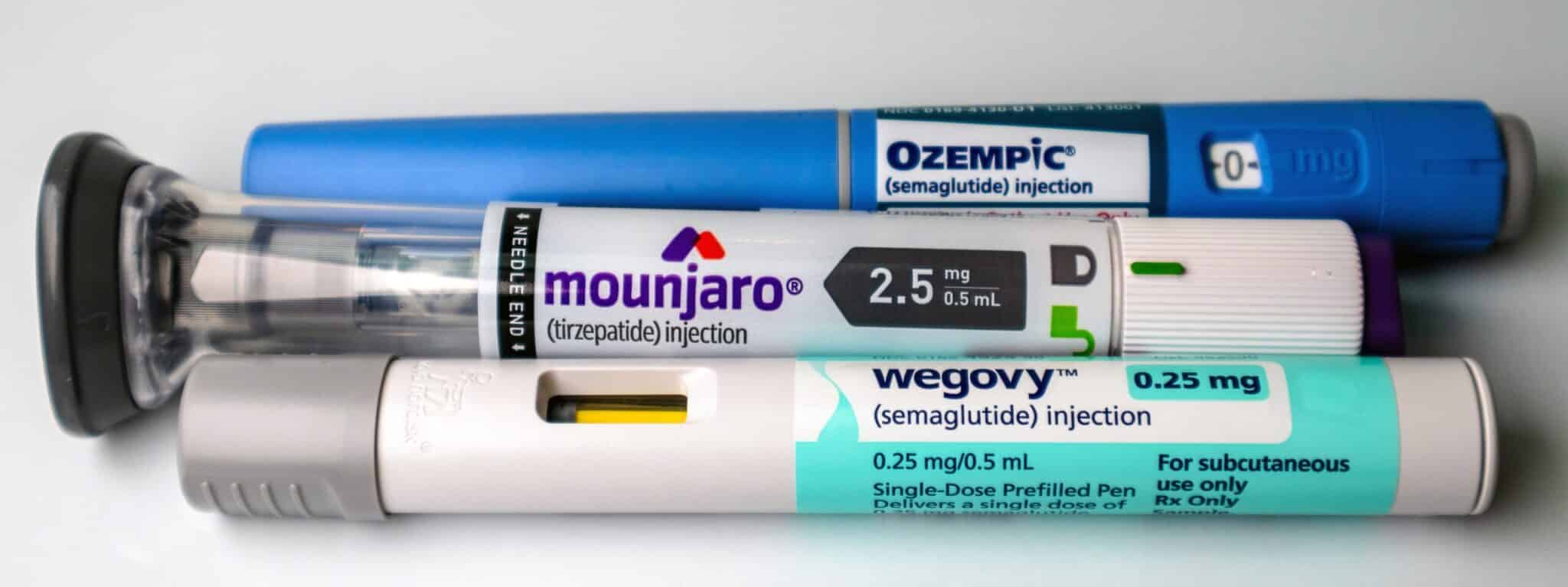
Common GLP-1 medications you may have heard of include:
- Ozempic (semaglutide) — for Type 2 diabetes
- Wegovy (semaglutide) — for chronic weight management
- Mounjaro (tirzepatide) — for Type 2 diabetes
- Zepbound (tirzepatide) — for chronic weight management
- Victoza / Saxenda (liraglutide) — for diabetes and weight loss
What Did Medicare Cover Before 2026?
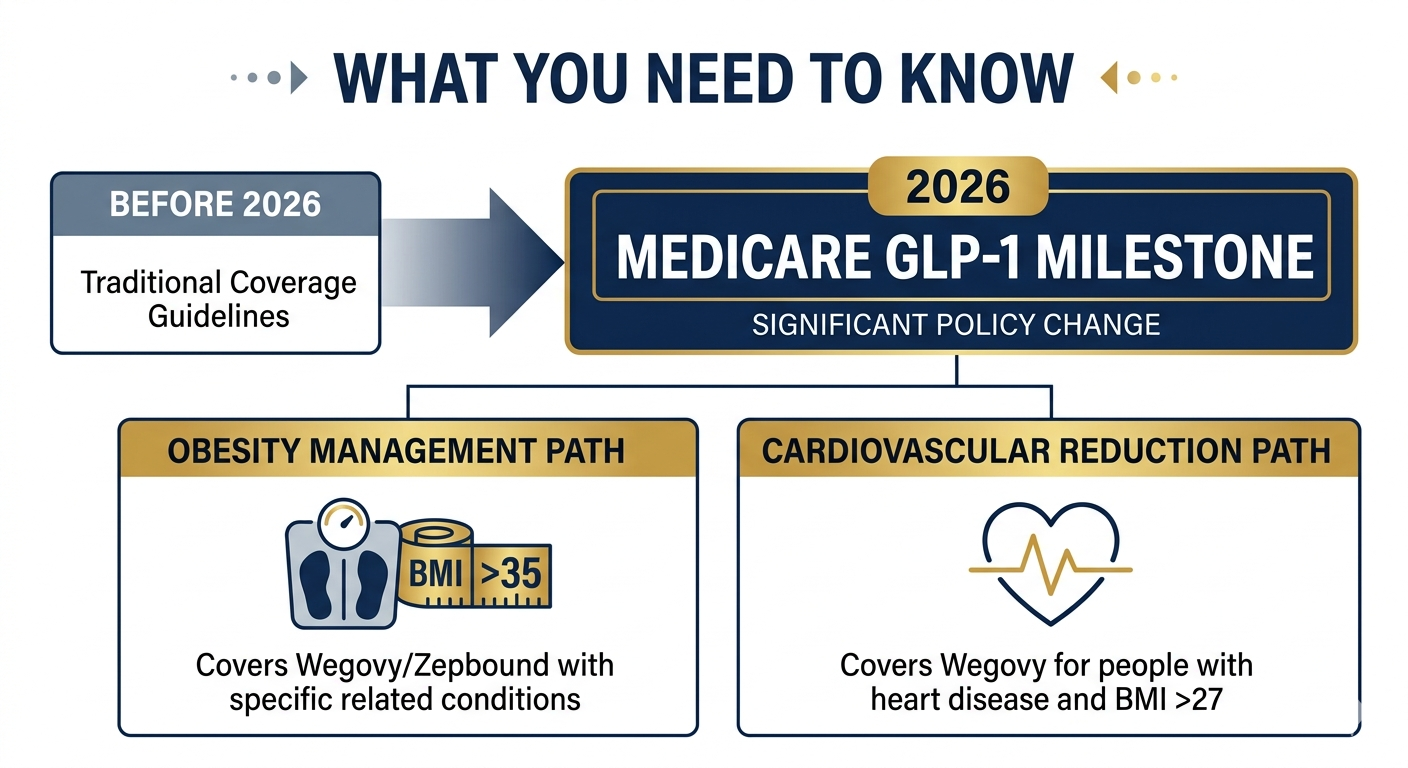
Prior to 2026, Medicare Part D (prescription drug coverage) covered GLP-1 drugs only when prescribed for Type 2 diabetes. If your doctor prescribed Wegovy or Zepbound strictly for weight loss — even with a BMI over 35 — Medicare would not pay for it.
This left many beneficiaries paying hundreds or even thousands of dollars per month out of pocket for medications their doctors recommended.
What Changed in 2026?
Starting in 2026, Medicare Part D now covers GLP-1 drugs for two expanded groups of beneficiaries:
- Beneficiaries with a BMI of 35 or higher who have at least one weight-related condition (such as Type 2 diabetes, hypertension, or sleep apnea)
- Beneficiaries with established cardiovascular disease who have a BMI of 27 or higher — mirroring FDA-approved indications for cardiovascular risk reduction
This is a significant shift. Millions of Medicare beneficiaries who were previously paying full price for these drugs may now be able to get them covered through their Part D plan.
Important: Not every Part D plan covers every GLP-1 drug. Your specific plan's formulary — the list of covered drugs — determines what's available to you and at what tier (cost level).
Does Medicare Part B Cover GLP-1 Drugs?
In most cases, no. Part B (medical insurance) covers drugs administered in a clinical setting by a provider. GLP-1 medications are generally self-injected at home, so they fall under Part D. However, if a GLP-1 drug is administered in a doctor's office or clinic setting, there may be situations where Part B applies. This is a conversation worth having with your doctor.
What About Medicare Advantage Plans?
If you're enrolled in a Medicare Advantage (Part C) plan, your coverage depends on the specific plan you chose. Many Medicare Advantage plans include Part D drug coverage, and they must meet or exceed Original Medicare's coverage standards. However, formularies, tiers, and cost-sharing vary widely between plans.
If you're enrolled in a Medicare Advantage plan and your GLP-1 drug isn't covered or is placed on a high cost-sharing tier, you may have options — including requesting a formulary exception or reviewing your plan at the next enrollment period.
What Should You Do Right Now?
Here are the steps we recommend for any Medicare beneficiary currently taking or considering a GLP-1 medication:
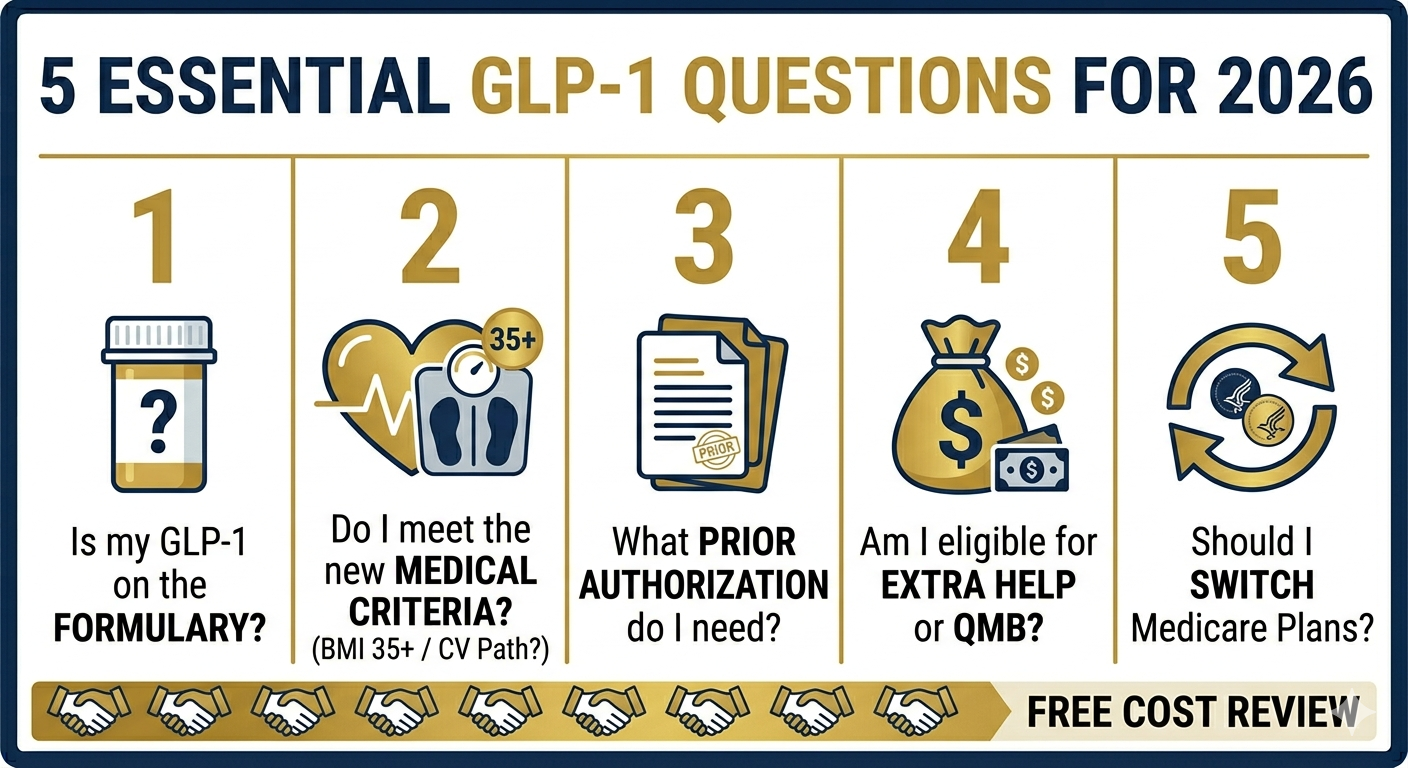
- Check your Part D plan's formulary to see if your specific GLP-1 drug is covered
- Ask your doctor to document your qualifying condition (BMI over 35, cardiovascular disease, diabetes) in your medical records
- If your drug isn't covered, ask your doctor about filing a formulary exception or prior authorization
- Compare plans during the next Annual Enrollment Period (October 15 – December 7) to find a plan with better GLP-1 coverage
- Talk to a licensed Medicare agent who can review your plan and help you find the best coverage options
Need Help? Call me for a free plan review. We help Medicare beneficiaries in Arizona find the coverage they need — including GLP-1 drug coverage — at no cost to you.
Disclaimer: This article is for educational purposes only and does not constitute medical or legal advice. Coverage details vary by plan. Contact your plan or a licensed Medicare agent for specific guidance.