Medicare Part D prescription drug plans are evolving. Learn about recent and upcoming changes, how they impact your costs, and what steps to take.
Medicare & insurance articles to help you make confident coverage decisions
Medicare Part D prescription drug plans are evolving. Learn about recent and upcoming changes, how they impact your costs, and what steps to take.

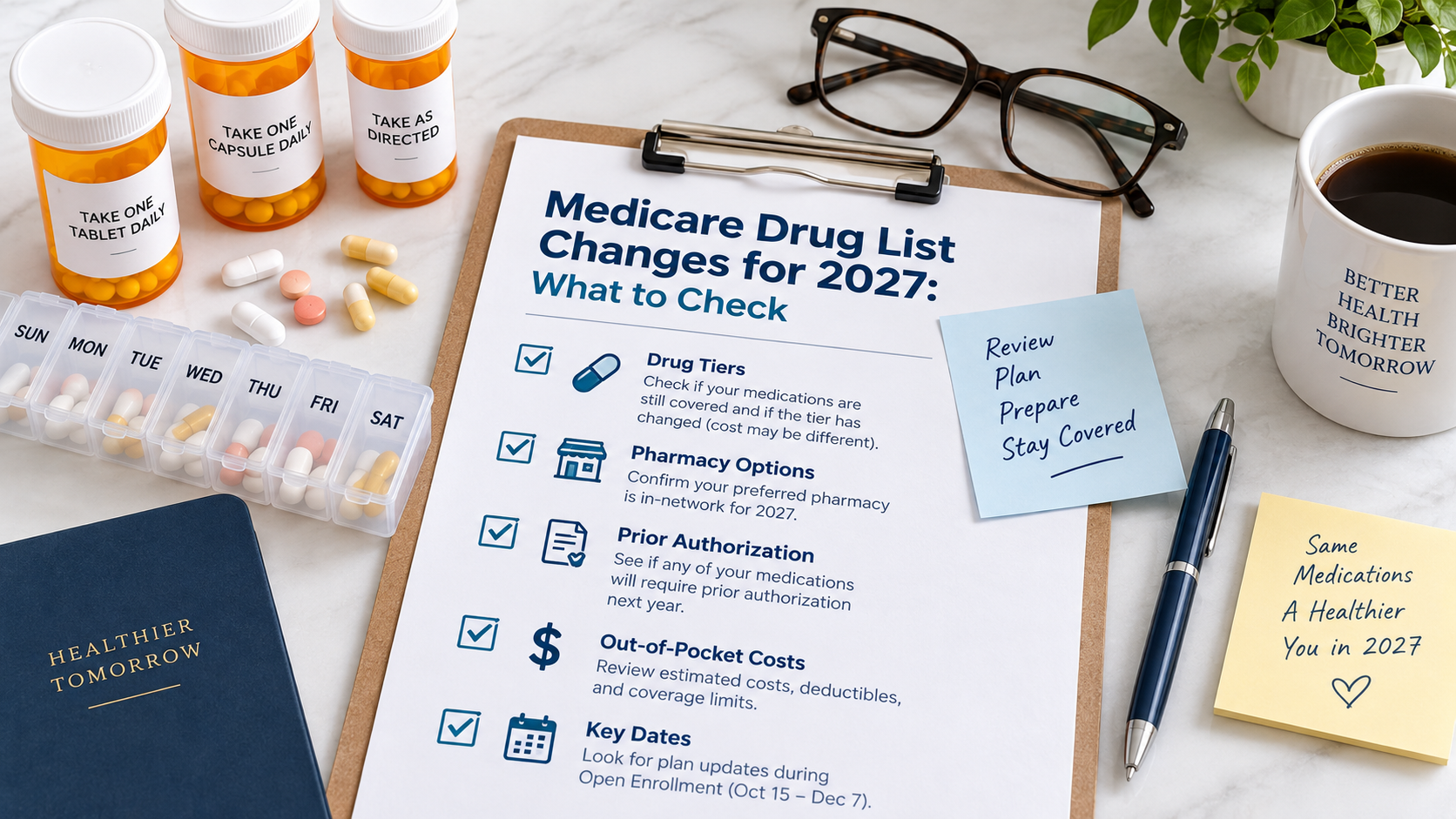
Medicare drug coverage can change from year to year. Learn what to check for 2027, including formularies, drug tiers, pharmacy networks, prior authorization, deductibles, and prescription costs.
Prescription drug costs can have a significant effect on your overall healthcare spending, especially if you take medications regularly. The right plan should provide coverage that aligns with your prescriptions, preferred pharmacies, healthcare providers, and budget. Understanding how prescription coverage works can help you make a more informed decision between different Medicare options, including Medigap plans in Texas.
A Medicare Part D agent can compare formularies, pharmacies, drug restrictions, premiums, deductibles, and estimated annual costs using your medication list.
Beginning July 1, 2026, the Centers for Medicare & Medicaid Services (CMS) will launch the Medicare GLP-1 Bridge, a demonstration program that will allow eligible Medicare beneficiaries to access certain GLP-1 medications for a flat $50 monthly copay.
Confused about your Medicare prescription drug options? Discover how a Part D plan can help you manage medication costs and ensure you get the coverage you need.
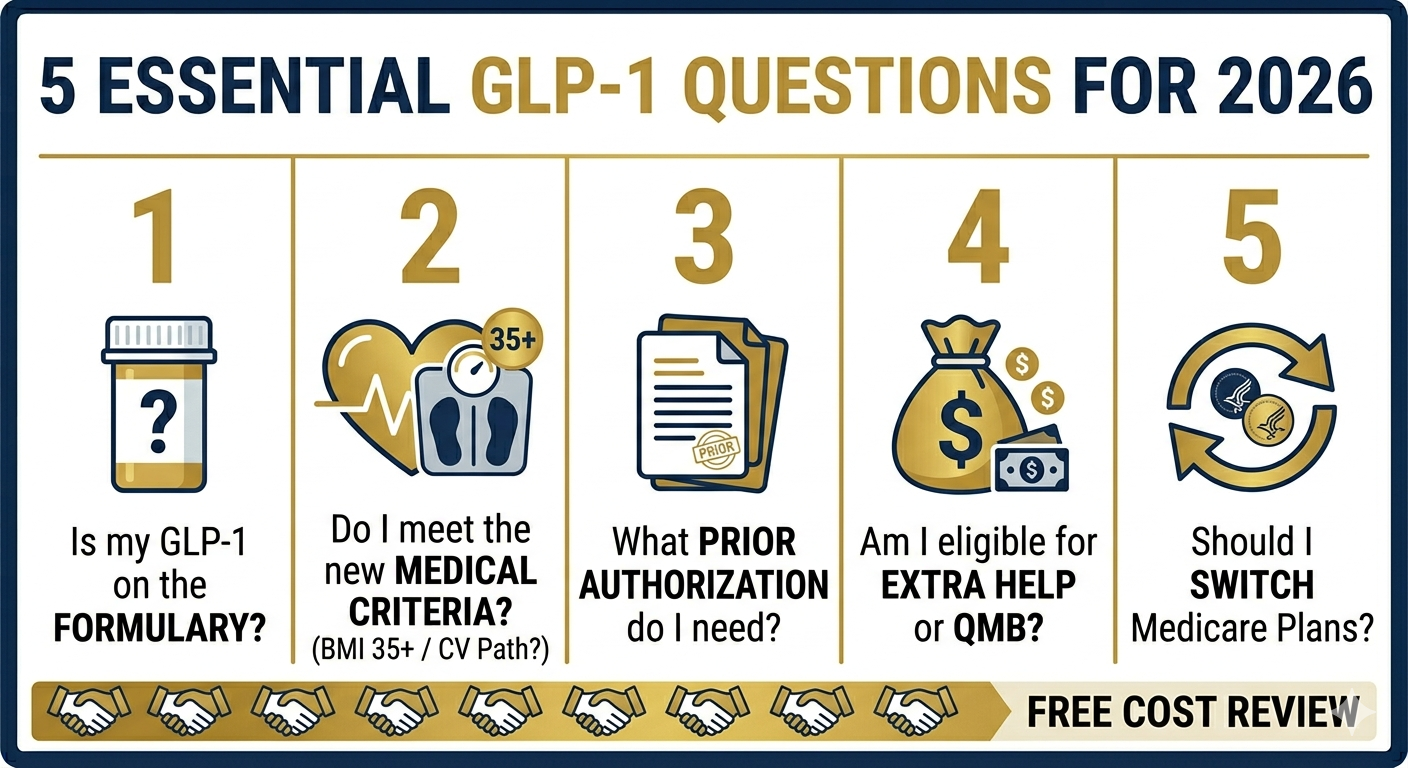
Medicare's new GLP-1 drug coverage in 2026 is a major opportunity for many beneficiaries — but navigating it takes knowing the right questions to ask. Whether you're managing diabetes, heart disease, or obesity, here are the five most important questions to bring to your doctor, your pharmacist, and your agent
Knowing that Medicare covers GLP-1 drugs is one thing. Knowing what you'll actually pay out of pocket is another. The truth is: coverage doesn't always mean affordable. This article breaks down the real cost picture for Medicare beneficiaries taking GLP-1 medications in 2026 — and how to reduce what you pay.
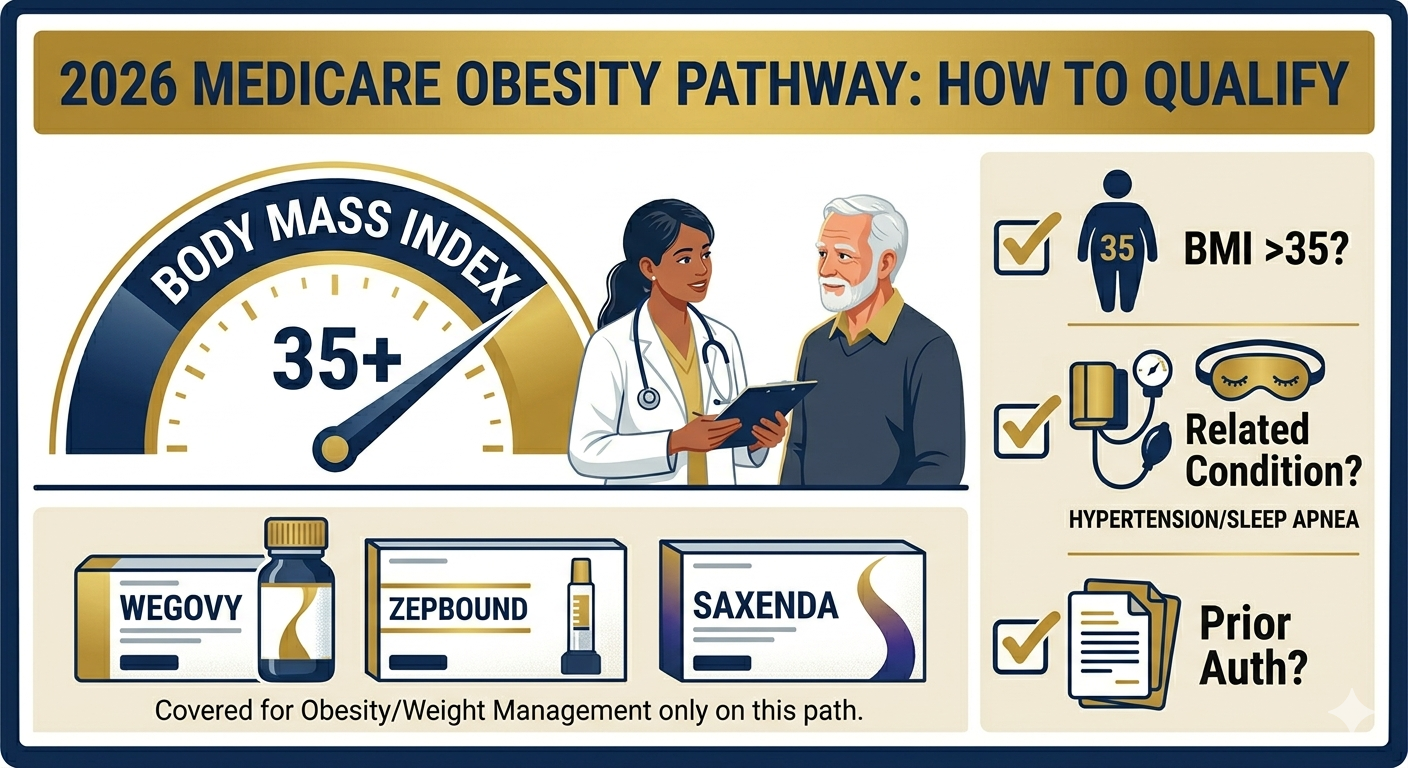
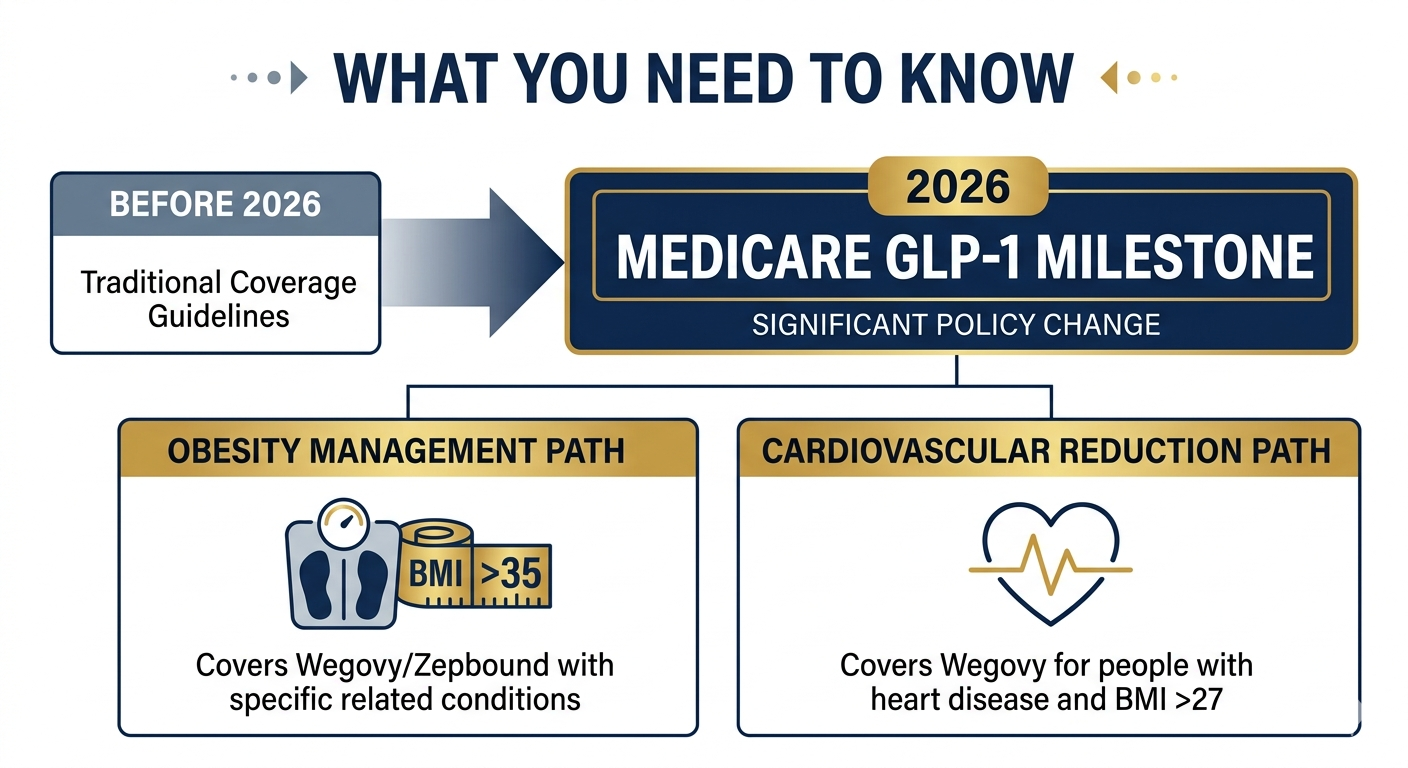
For years, seniors on Medicare who struggled with obesity felt left behind. While their doctors recommended GLP-1 medications like Wegovy or Zepbound, Medicare simply didn't cover them for weight management. That changed in 2026. If your BMI is 35 or above and you have a related health condition, you may now be eligible for Medicare coverage of GLP-1 drugs. Here's what you need to know to take advantage of this expanded benefit.
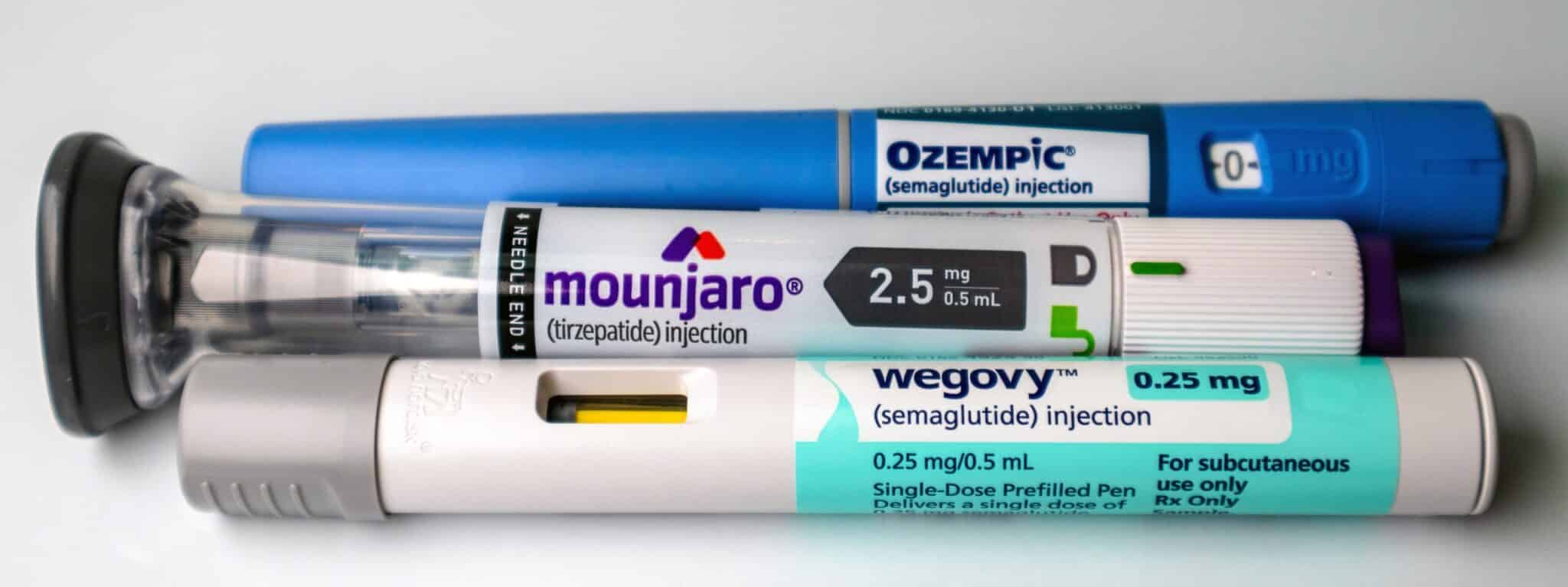
If you or a loved one takes a GLP-1 medication — like Ozempic, Wegovy, Mounjaro, or Zepbound — there is major news for 2026. Medicare has expanded coverage of these drugs in a meaningful way, and many beneficiaries in the Phoenix area and across Arizona may qualify for coverage they didn't have before. This article breaks down exactly what changed, who qualifies, and how to make sure you're getting the full benefit you're entitled to.
Avoid the big pharmacy copays! Learn how the Medicare Prescription Payment Plan' lets you spread your drug costs into small, interest-free payments.
Confused about Medicare's prescription drug coverage? This guide breaks down the essential benefits of Part D plans, helping seniors understand their options and manage medication costs effectively.
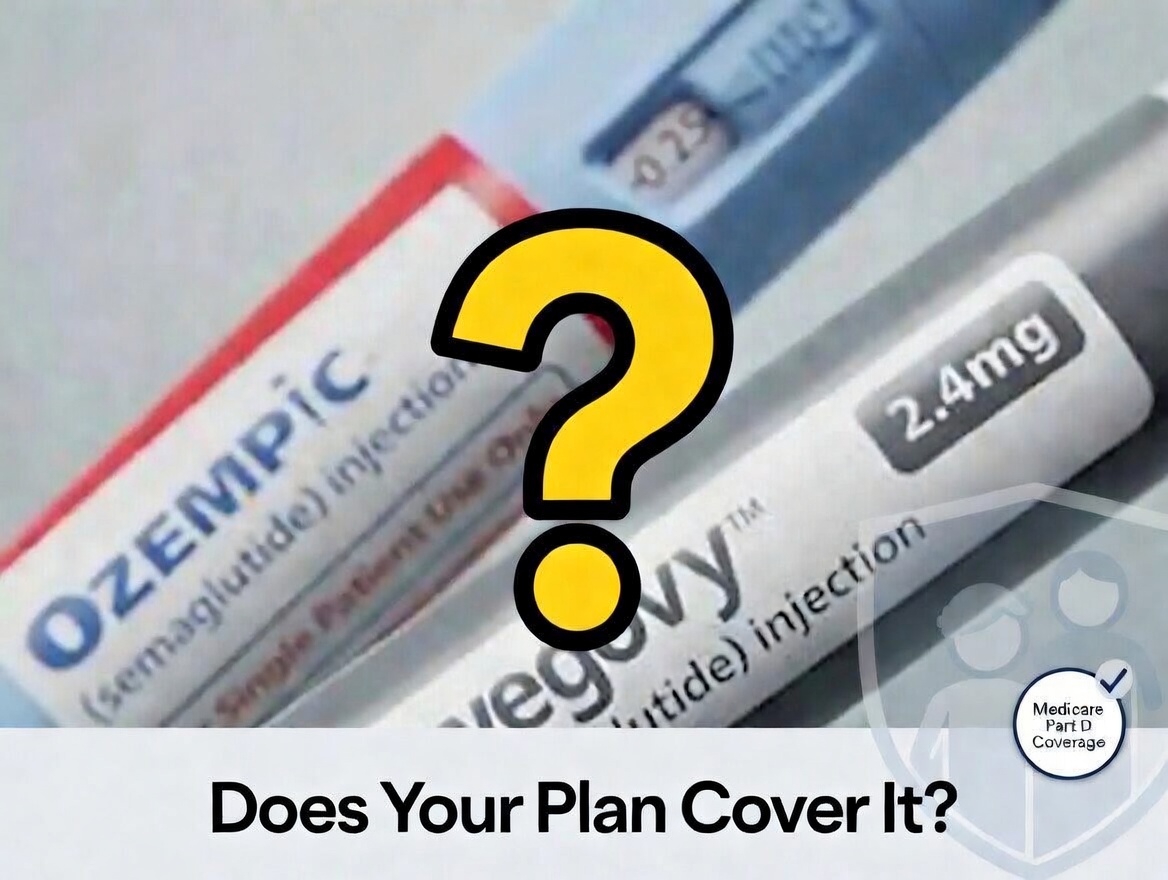
Does Medicare pay for Ozempic or Wegovy in 2026? The rules always change. Read the full post here.
Rising prescription costs are imposing a significant burden on seniors relying on medications to maintain their health. Fortunately, Medicare Part D offers a few ways to help save on prescription costs.
Choosing the right Medicare Part D plan is essential for managing prescription costs. This guide helps seniors understand options, compare benefits, and select the best coverage for their needs.
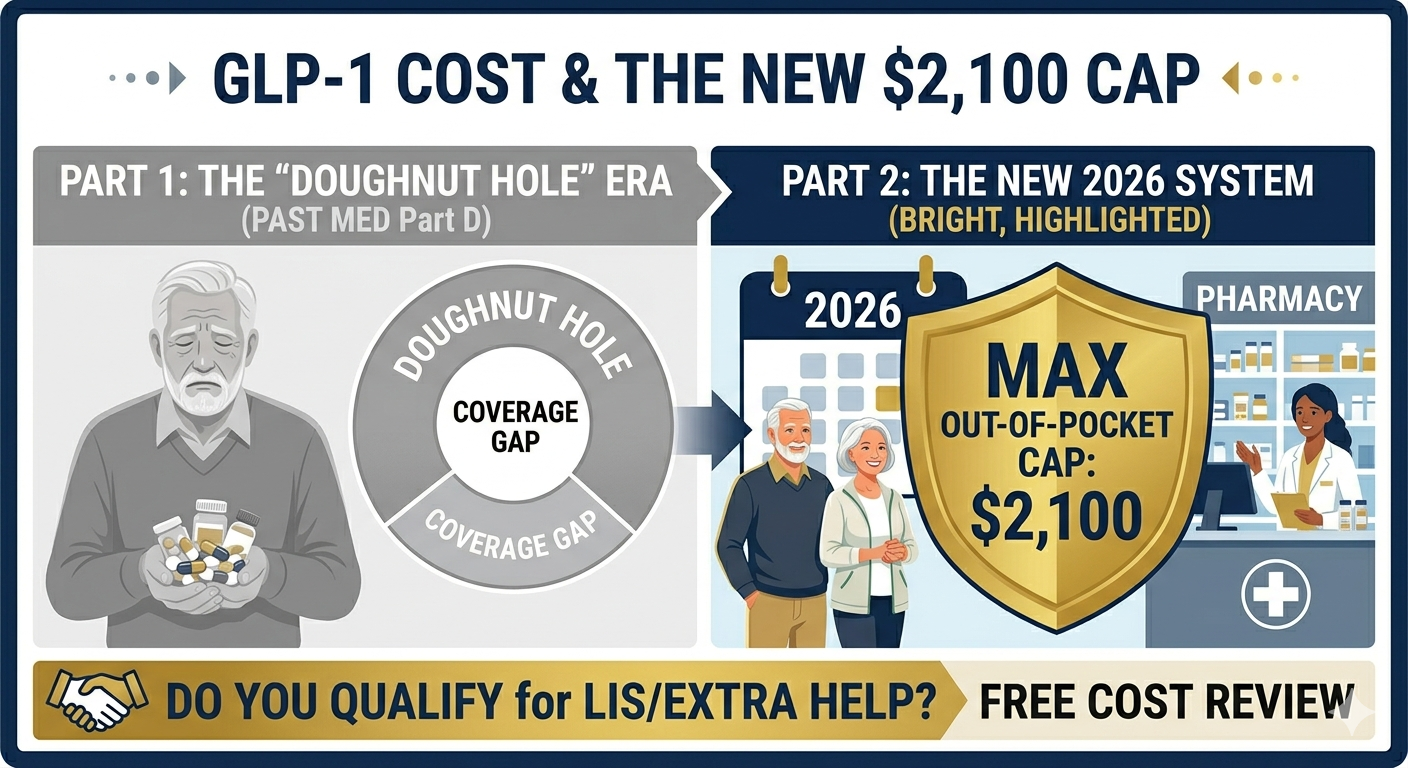
Learn how the new $2,100 out-of-pocket cap for 2026 protects your savings.