Navigating Medicare can feel like deciphering a complex puzzle, especially when you encounter terms like "Medicare Advantage." Many people find themselves wondering if it's the right choice for them, how it differs from Original Medicare, and what exactly it covers.
You're not alone in feeling a bit overwhelmed. Understanding your healthcare options as you approach or enter retirement is crucial for both your health and your financial well-being. Making an informed decision can significantly impact your access to doctors, hospitals, and prescription medications.
In this comprehensive guide, we'll break down exactly how Medicare Advantage plans work. We'll explore their benefits, costs, and different types, helping you understand if this path to Medicare coverage aligns with your personal healthcare needs and preferences.
Key Takeaways
- Medicare Advantage (Part C) plans are an alternative to Original Medicare (Parts A & B), offered by private insurance companies approved by Medicare.
- These plans combine your hospital (Part A) and medical (Part B) coverage, and often include prescription drug coverage (Part D) and extra benefits like dental, vision, and hearing.
- Medicare Advantage plans operate with their own rules, networks (like HMOs or PPOs), and cost-sharing structures, similar to employer-sponsored health insurance.
- You must continue to pay your Medicare Part B premium even if you enroll in a Medicare Advantage plan.
- Careful consideration of your doctors, prescriptions, and budget is essential when choosing a Medicare Advantage plan, as enrollment periods are specific.
What is Medicare Advantage (Part C)?
When you first become eligible for Medicare, you're presented with a fundamental choice: stick with Original Medicare or opt for a Medicare Advantage Plan. Medicare Advantage, also known as Medicare Part C, isn't a supplement to Original Medicare; it's an alternative way to receive your Medicare benefits.
These plans are offered by private insurance companies that are approved by Medicare. When you enroll in a Medicare Advantage plan, the private insurance company takes over the administration of your Part A (hospital insurance) and Part B (medical insurance) benefits.
By law, Medicare Advantage plans must cover everything that Original Medicare (Parts A and B) covers. This includes hospital stays, doctor visits, outpatient care, and preventive services. However, most Medicare Advantage plans go a step further.
Many plans offer additional benefits that Original Medicare doesn't, such as routine dental, vision, and hearing coverage, fitness programs, and even allowances for over-the-counter health items. A significant number of Medicare Advantage plans also bundle in prescription drug coverage (Medicare Part D), creating an all-in-one solution for your healthcare needs.
Original Medicare vs. Medicare Advantage: A Fundamental Choice
Understanding the core differences between Original Medicare and Medicare Advantage is key to making an informed decision about your healthcare coverage. They represent two distinct paths to receiving your Medicare benefits.
Original Medicare (Parts A & B)
Original Medicare is a federal health insurance program. Part A covers inpatient hospital stays, skilled nursing facility care, hospice care, and some home health care. Part B covers certain doctor's services, outpatient care, medical supplies, and preventive services.
With Original Medicare, you can typically see any doctor or hospital in the U.S. that accepts Medicare. There are no network restrictions. However, Original Medicare does not cover prescription drugs (you'd need a separate Part D plan) and has no annual limit on your out-of-pocket costs.
Many people with Original Medicare choose to purchase a Medicare Supplement Insurance (Medigap) policy to help cover the deductibles, copayments, and coinsurance that Original Medicare doesn't pay. Medigap plans work alongside Original Medicare.
The Medicare Advantage Alternative
Medicare Advantage plans change the way you receive your benefits. Instead of the federal government paying directly for your care, the private insurance company administering your Part C plan receives a fixed payment from Medicare for your coverage.
Crucially, if you choose a Medicare Advantage plan, you cannot also have a Medigap policy. Medigap plans are designed to work only with Original Medicare. This is a common point of confusion, and it's vital to understand that Medicare Advantage is an either/or choice with Original Medicare and Medigap.
How Medicare Advantage Plans Work: The Nuts and Bolts
Medicare Advantage plans operate much like the health insurance you might have had through an employer, with specific rules about networks, costs, and how you access care. While they offer comprehensive coverage, understanding these operational aspects is vital.
Network Restrictions
Most Medicare Advantage plans use provider networks, meaning you generally need to see doctors, specialists, and hospitals that are part of the plan's network. The type of plan you choose will determine the flexibility of your network:
- Health Maintenance Organization (HMO) plans: Typically require you to choose a primary care physician (PCP) within the plan's network. On some HMO plans, your PCP needs to give you a referral to see a specialist. Care received outside the network is generally not covered, except in emergencies.
- Preferred Provider Organization (PPO) plans: Offer more flexibility. You usually don't need a PCP or a referral to see a specialist. You can see out-of-network providers, but you'll pay more for those services.
Costs Associated with Medicare Advantage
Even with a Medicare Advantage plan, you generally must continue to pay your monthly Medicare Part B premium to the government. In addition to this, Medicare Advantage plans have their own cost structure, which can include:
- Plan Premium: Many Medicare Advantage plans have a $0 monthly premium, but some do charge an additional premium.
- Deductibles: An amount you must pay out of pocket before your plan starts to pay for services.
- Copayments: A fixed amount you pay for a covered service (e.g., $20 for a doctor's visit).
- Coinsurance: A percentage of the cost of a covered service you pay after your deductible is met (e.g., 20% of the cost of a hospital stay).
A significant protection offered by Medicare Advantage plans is an annual out-of-pocket maximum. Once you reach this limit, the plan pays 100% of your covered healthcare costs for the rest of the calendar year. This provides a crucial financial safeguard that Original Medicare alone does not offer.
Extra Benefits
Beyond covering your Part A and Part B benefits, Medicare Advantage plans are well-known for their additional perks. These can vary significantly between plans but often include:
- Routine dental, vision, and hearing care
- Fitness programs (like gym memberships)
- Telehealth services
- Transportation to medical appointments
- Over-the-counter (OTC) allowances for health-related items
These extra benefits can add considerable value, but it's important to evaluate if they align with your actual needs.
Types of Medicare Advantage Plans
Medicare Advantage plans come in several different structures, each with its own rules and features. Understanding these types will help you narrow down your choices.
Health Maintenance Organization (HMO) Plans
HMO plans are a common type of Medicare Advantage plan. They typically require you to choose a primary care provider (PCP) within the plan's network. On some HMO plans, you will need a referral from your PCP to see a specialist.
Except for emergencies, services received outside the plan's network are usually not covered. HMOs often have lower monthly premiums and out-of-pocket costs compared to other plan types, making them a popular choice for those comfortable with network restrictions.
Preferred Provider Organization (PPO) Plans
PPO plans offer more flexibility than HMOs. With a PPO, you typically don't need to choose a PCP, and you generally don't need a referral to see a specialist. You can see any doctor or hospital that accepts the plan's terms.
However, you'll usually pay less if you use doctors, hospitals, and other providers that are part of the plan's network. Services from out-of-network providers are covered, but at a higher cost to you.
Private Fee-for-Service (PFFS) Plans
PFFS plans are less common. With a PFFS plan, you can generally go to any Medicare-approved doctor, other health care provider, or hospital that agrees to treat you and accept the plan’s payment terms and conditions. The plan determines how much it will pay for services and how much you must pay for services.
Some PFFS plans have a network of providers, but you can usually see out-of-network providers who agree to the plan's terms. It's crucial to confirm with your provider at each visit that they will accept your PFFS plan.
Special Needs Plans (SNPs)
SNPs are specialized Medicare Advantage plans designed for people with specific diseases or characteristics. They tailor their benefits, provider choices, and drug formularies to best meet the needs of the groups they serve.
There are three types of SNPs:
- Chronic Condition SNPs (C-SNPs): For people with specific severe or disabling chronic conditions (e.g., diabetes, heart failure).
- Institutional SNPs (I-SNPs): For people who live in an institution (like a nursing home) or require nursing care at home.
- Dual Eligible SNPs (D-SNPs): For people who have both Medicare and Medicaid.
Understanding Enrollment Periods
Medicare has specific periods during which you can enroll in, change, or drop a Medicare Advantage plan. Missing these deadlines can mean waiting a full year to make changes, so it's essential to know when you can act.
Initial Enrollment Period (IEP)
This is your first chance to enroll in Medicare. It's a seven-month window that starts three months before your 65th birthday, includes the month you turn 65, and ends three months after your 65th birthday. During your IEP, you can join a Medicare Advantage plan.
Annual Enrollment Period (AEP)
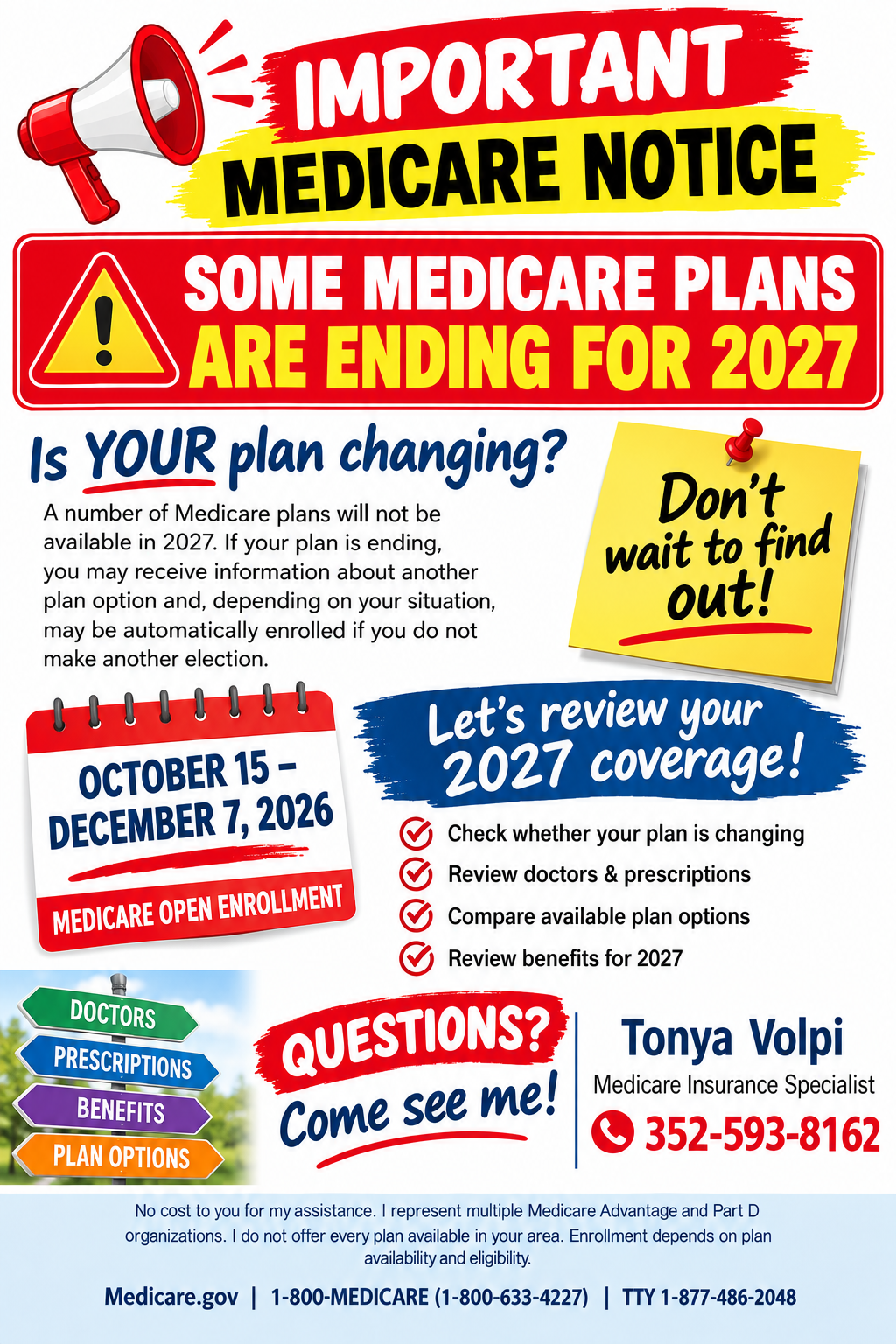
Also known as the Medicare Open Enrollment Period, the AEP runs every year from October 15 to December 7. During this time, anyone with Medicare can:
- Switch from Original Medicare to a Medicare Advantage plan.
- Switch from a Medicare Advantage plan back to Original Medicare.
- Switch from one Medicare Advantage plan to another.
- Join, switch, or drop a Medicare Part D (prescription drug) plan.
Any changes you make during AEP will become effective on January 1 of the following year.
Medicare Advantage Open Enrollment Period (MA OEP)
This period runs from January 1 to March 31 each year. If you are already enrolled in a Medicare Advantage plan, the MA OEP allows you to:
- Switch to a different Medicare Advantage plan (with or without drug coverage).
- Drop your Medicare Advantage plan and return to Original Medicare. If you do this, you can also join a Medicare Part D plan.
You can only make one change during the MA OEP.
Special Enrollment Periods (SEPs)
Outside of the standard enrollment periods, certain life events can trigger a Special Enrollment Period, allowing you to make changes to your Medicare coverage. Common SEPs include:
- Moving to a new service area where your current plan isn't available.
- Losing your employer-sponsored health coverage.
- Qualifying for Extra Help with prescription drug costs.
- Becoming eligible for Medicaid.
The rules for SEPs can be complex, so it's wise to consult with a knowledgeable agent if you believe you qualify.
Choosing the Right Medicare Advantage Plan: A Step-by-Step Guide
Selecting a Medicare Advantage plan is a personal decision that requires careful thought. Follow these steps to help you make an informed choice that best suits your healthcare needs and budget.
- Assess Your Healthcare Needs: Start by making a list of your current doctors, specialists, and preferred hospitals. Do you have any chronic conditions? What prescriptions do you take? Consider your expected healthcare usage for the coming year.
- Understand Your Budget: Look beyond just the monthly premium. Factor in potential deductibles, copayments for doctor visits and prescriptions, and coinsurance for hospital stays or specialist care. Importantly, consider the plan's annual out-of-pocket maximum, which is your ultimate financial protection.
- Check Provider Networks: This is a critical step, especially if you have specific doctors you want to keep. For HMOs, confirm your primary care physician and any specialists are in-network and accept the plan. For PPOs, verify if your preferred providers are in-network to minimize your costs.
- Evaluate Prescription Drug Coverage (Part D): If the Medicare Advantage plan includes Part D, check its formulary (the list of covered drugs) to ensure all your current medications are covered. Pay attention to drug tiers, as they impact your copayment amounts. Compare the costs of your specific drugs under different plans.
- Compare Extra Benefits: While not the primary reason to choose a plan, extra benefits like dental, vision, hearing, and fitness programs can add significant value. Determine which of these benefits are most important to you and if you'll actually use them.
- Review Plan Ratings: Medicare assigns Star Ratings (1 to 5 stars) to Medicare Advantage plans based on quality and performance. A higher rating indicates a better-performing plan. While not the only factor, it's a useful indicator of overall plan quality.
- Seek Expert Guidance: Navigating these choices alone can be daunting. An independent licensed insurance agent, can provide personalized assistance. We can help you compare plans available in your area, explain the nuances, and answer your specific questions, all at no cost to you.
Common Mistakes to Avoid
Choosing a Medicare Advantage plan is a significant decision, and overlooking certain details can lead to unexpected costs or limitations in care. Here are some common pitfalls to watch out for:
- Not checking if your doctors are in the plan's network: This is perhaps the most frequent mistake. If your preferred doctors or specialists are not in your plan's network, you may have to pay more for their services (PPO) or find new providers (HMO).
- Ignoring your prescription drug coverage: Even if a plan includes Part D, its formulary might not cover all your medications, or your copays could be very high. Always check your specific drugs against the plan's formulary and tier structure.
- Focusing only on the $0 premium: A zero-dollar premium plan can be appealing, but it doesn't mean your healthcare is free. You'll still have copayments, coinsurance, and deductibles, and you must still pay your Part B premium. Look at the total potential out-of-pocket costs.
- Missing enrollment deadlines: Medicare enrollment periods are strict. Missing a deadline can prevent you from getting the coverage you want or making necessary changes, potentially leaving you with inadequate coverage for a year.
- Confusing Medicare Advantage with Medigap: Remember, you cannot have a Medigap plan if you are enrolled in a Medicare Advantage plan. They serve different purposes and are mutually exclusive.
- Not understanding the out-of-pocket maximum: While a great protection, it's important to know what this limit is for your chosen plan. It can vary significantly between plans and represents the most you'd pay for covered services in a year.
Frequently Asked Questions
Can I have a Medigap plan with Medicare Advantage?
No, you cannot. Medicare Advantage (Part C) plans are an alternative to Original Medicare, while Medigap plans are designed to work alongside Original Medicare to help cover out-of-pocket costs. You must choose one path or the other.
Do I still pay my Part B premium with a Medicare Advantage plan?
Yes, in most cases, you must continue to pay your monthly Medicare Part B premium directly to the government, even if your Medicare Advantage plan has a $0 premium. Some plans may offer a Part B premium reduction, but this is less common.
What happens if I travel a lot with a Medicare Advantage plan?
Your coverage when traveling depends on your plan type and where you travel. HMO plans typically offer limited coverage outside their service area (except for emergency or urgent care). PPO plans usually offer more flexibility, allowing you to see out-of-network providers at a higher cost. If extensive travel is part of your lifestyle, you'll need to carefully consider a plan's network and coverage rules for out-of-area care.
Can I switch back to Original Medicare from Medicare Advantage?
Yes, you can. You can typically switch from a Medicare Advantage plan back to Original Medicare during the Annual Enrollment Period (October 15 - December 7) or the Medicare Advantage Open Enrollment Period (January 1 - March 31). If you switch back to Original Medicare, you can also enroll in a separate Part D prescription drug plan.
Are "zero-premium" plans truly free?
While many Medicare Advantage plans have a $0 monthly premium, they are not entirely free. You still must pay your Medicare Part B premium, and you will have copayments, coinsurance, and deductibles for healthcare services and prescriptions. The term "zero-premium" refers only to the additional premium charged by the private insurance company, not your total healthcare costs.
Ready to Explore Your Medicare Advantage Options?
Understanding how Medicare Advantage plans work is the first step toward making a confident decision about your healthcare coverage. We've covered the essentials, from plan types and costs to crucial enrollment periods and common mistakes to avoid. However, the sheer number of plans available in your specific area can still feel overwhelming.
That's where personalized, expert guidance becomes invaluable. As a licensed, independent insurance agent my mission is to simplify this process for you. We offer free, unbiased assistance, helping you compare various Medicare Advantage plans side-by-side, check if your doctors are in-network, and ensure your prescriptions are covered.
Don't navigate this complex landscape alone. Reach out today for a no-obligation consultation. We're here to help you find a Medicare Advantage plan that perfectly fits your unique health needs and budget, giving you peace of mind for your future.