
Navigating the world of Medicare can feel like deciphering a complex puzzle. While Original Medicare (Parts A and B) provides essential health coverage, it doesn't cover everything. This is where Medicare Supplement Insurance plans, often called Medigap policies, step in. Designed to work alongside your Original Medicare benefits, these plans can significantly reduce your out-of-pocket healthcare costs and provide greater peace of mind. Let's explore how Medigap plans can complete your Medicare coverage picture.
Understanding Original Medicare's "Gaps"
To truly appreciate the value of a Medicare Supplement plan, it's helpful to understand what Original Medicare covers and, more importantly, what it doesn't. Original Medicare consists of:
These deductibles, copayments, and coinsurance amounts are the "gaps" that Medicare Supplement plans are designed to fill.
What Are Medicare Supplement (Medigap) Plans?
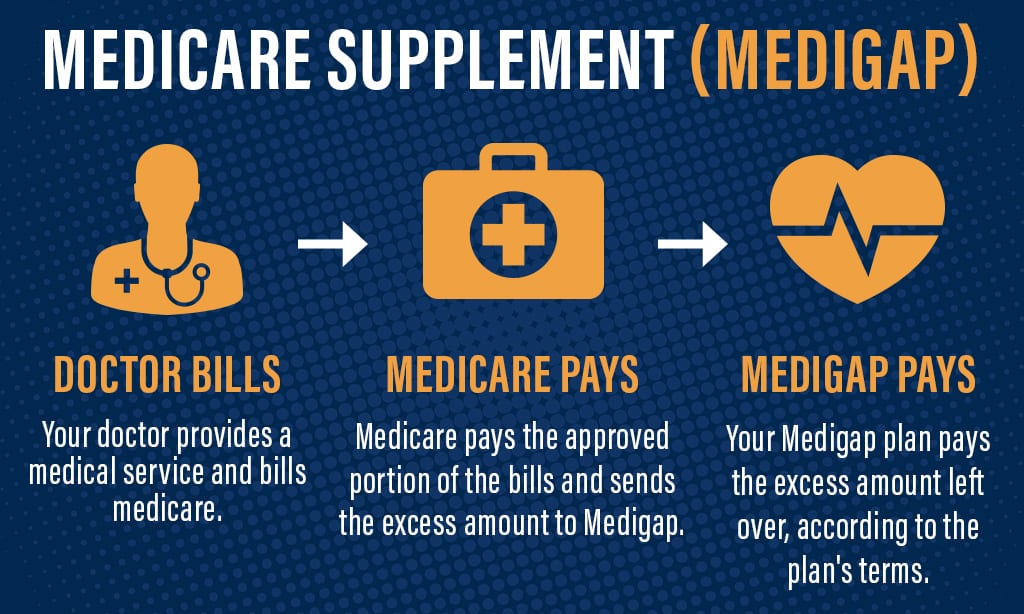
Medicare Supplement plans are sold by private insurance companies and are designed to help pay for some of the healthcare costs that Original Medicare doesn't cover. Here's what makes them unique:
Key Benefits of Enrolling in a Medigap Plan
Choosing a Medigap plan offers several compelling advantages:
Popular Medicare Supplement Plans
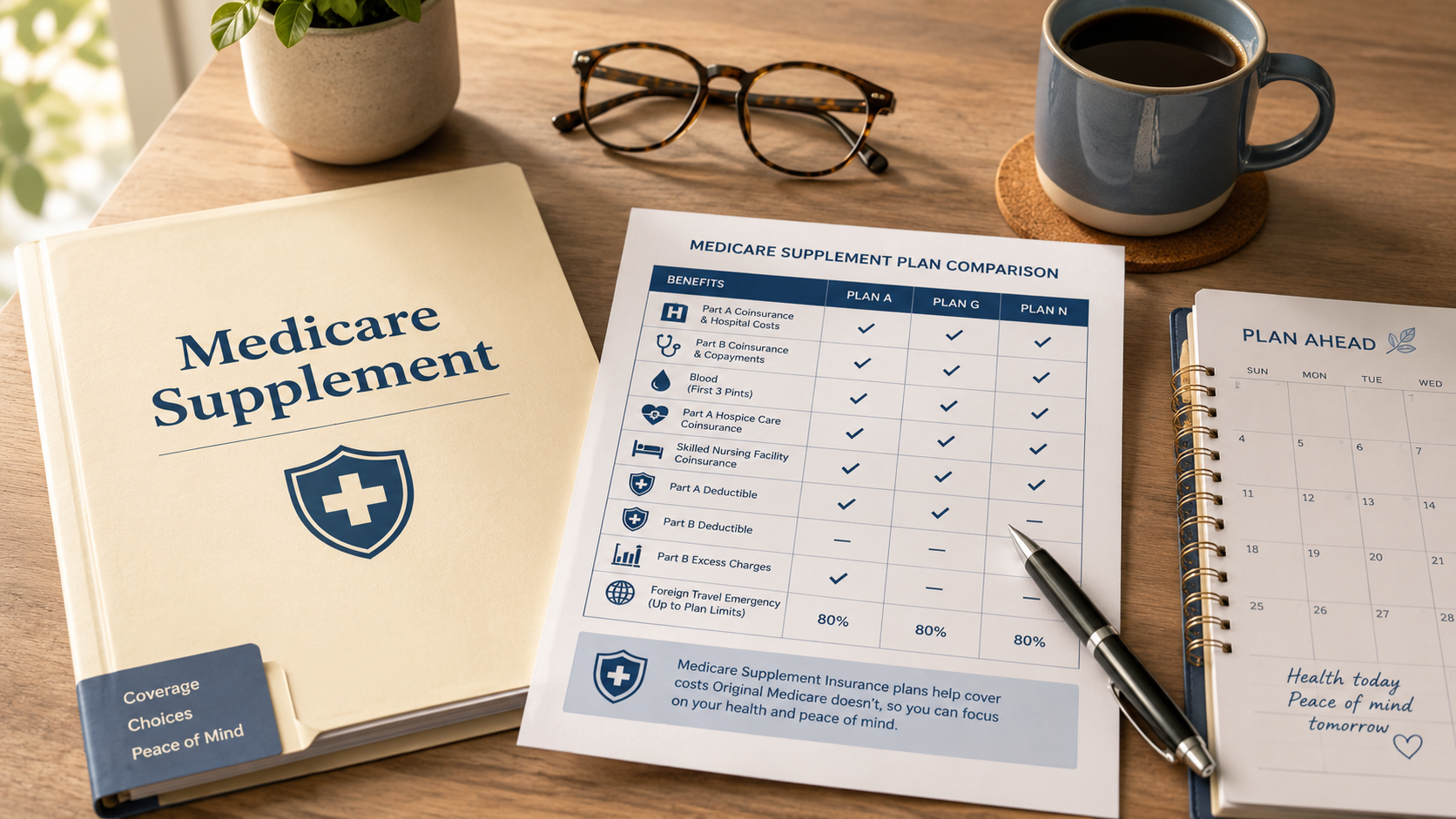
While there are several standardized Medigap plans (A, B, C, D, F, G, K, L, M, N), a few stand out for their comprehensive coverage:
Understanding the nuances of each plan is crucial for selecting the best fit for your healthcare needs and budget.
When to Enroll in a Medigap Plan
The best time to enroll in a Medicare Supplement plan is during your Medigap Open Enrollment Period. This six-month period begins the month you turn 65 and are enrolled in Medicare Part B.