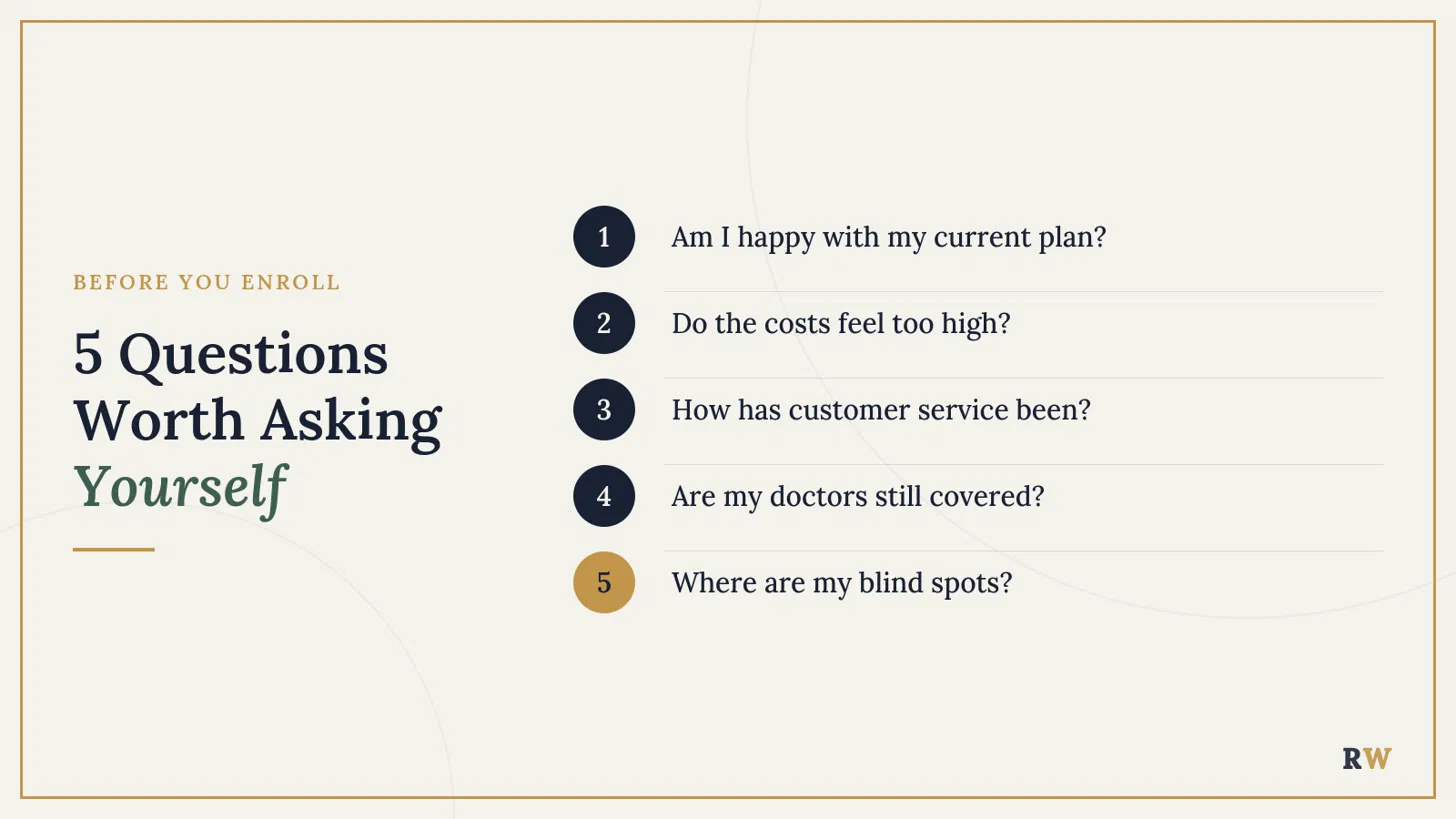

Choosing the right Medicare plan is one of the most significant healthcare decisions you’ll make as you approach or enter retirement. It's a choice that impacts your access to doctors, your out-of-pocket costs, and ultimately, your peace of mind for years to come. With so many options and conflicting information, it's easy to feel overwhelmed.
Many people find themselves weighing two primary paths: Original Medicare, often supplemented by a Medigap plan, or a Medicare Advantage plan. While both are part of the Medicare program, they operate very differently, especially when it comes to stability, provider access, and cost predictability.
In this comprehensive guide, we'll explore why Original Medicare, particularly when paired with a Medicare Supplement (Medigap) plan, is often considered the safer, more stable, and more predictable choice for your long-term healthcare needs. We'll break down the key differences, helping you understand which path aligns best with your priorities for comprehensive, reliable coverage.
Key Takeaways
- Original Medicare (Parts A & B) offers unparalleled freedom to choose any doctor or hospital nationwide that accepts Medicare, without network restrictions or referrals.
- Medicare Supplement (Medigap) plans work seamlessly with Original Medicare to cover most of your out-of-pocket costs, providing predictable expenses and a clear financial picture.
- Medicare Advantage (Part C) plans are private, network-based plans that may come with lower premiums but often include restrictions like prior authorizations, limited provider networks, and potential annual changes to benefits and costs.
- The combination of Original Medicare and a Medigap plan typically offers greater stability, broader access to care, and more predictable out-of-pocket costs, which many find contributes to greater peace of mind.
- Understanding your enrollment periods and consulting an independent agent are crucial steps to making an informed decision that best suits your individual health and financial situation.
Understanding the Foundations: Original Medicare (Parts A & B)
Original Medicare is the federal health insurance program for people age 65 or older, certain younger people with disabilities, and people with End-Stage Renal Disease. It's the bedrock of the Medicare system, directly administered by the U.S. government.
When we talk about Original Medicare, we're referring to two main parts:
- Part A (Hospital Insurance): This part generally covers inpatient hospital stays, care in a skilled nursing facility, hospice care, and some home health care. Most people don't pay a monthly premium for Part A if they or their spouse paid Medicare taxes through employment for a specified number of years.
- Part B (Medical Insurance): Part B covers medically necessary services (like doctor visits, outpatient care, durable medical equipment, and many preventive services) and some preventive services. Most people pay a monthly premium for Part B, which is set annually by the Centers for Medicare & Medicaid Services (CMS).
A fundamental advantage of Original Medicare is the freedom to choose almost any doctor, specialist, or hospital in the U.S. that accepts Medicare. You don't need a referral to see a specialist, and you're not confined to a specific network of providers. This means if you travel, or if you simply want to ensure you have access to top specialists, Original Medicare provides that flexibility.
However, Original Medicare does have some "gaps" in coverage. It pays for about 80% of your Part B approved services after you meet your annual deductible, leaving you responsible for the remaining 20% coinsurance. It also has deductibles for Part A and Part B, and it does not have an annual out-of-pocket maximum. This is where Medicare Supplement (Medigap) plans become invaluable, which we'll discuss shortly.
Medicare Advantage (Part C): A Different Path
Medicare Advantage plans, sometimes called “Part C” or “MA Plans,” are offered by private companies approved by Medicare. These plans are an alternative way to get your Original Medicare benefits. When you enroll in a Medicare Advantage plan, you're essentially choosing to receive your Medicare benefits through a private insurer rather than directly from the government.
Medicare Advantage plans must cover all the services that Original Medicare covers (Parts A and B), except for hospice care, which is still covered by Original Medicare. Many Medicare Advantage plans also include prescription drug coverage (Part D) and may offer extra benefits that Original Medicare doesn't cover, such as routine dental, vision, hearing, and gym memberships.
However, the way you access care under a Medicare Advantage plan is often very different from Original Medicare:
- Provider Networks: Most Medicare Advantage plans use networks of doctors, hospitals, and other providers. You typically must use providers within the plan's network, especially with Health Maintenance Organization (HMO) plans. If you go out of network, you might pay more or the service might not be covered at all. Preferred Provider Organization (PPO) plans offer more flexibility but usually at a higher cost for out-of-network care.
- Prior Authorizations: Many services, especially specialized care, tests, or procedures, may require prior authorization from your plan before you can receive them. This can lead to delays in care or potential denials if the plan doesn't deem the service medically necessary.
- Referrals: In many HMO plans, you need a referral from your primary care doctor to see a specialist. This can add an extra step to accessing specialized care.
- Out-of-Pocket Maximum: Unlike Original Medicare, Medicare Advantage plans have an annual out-of-pocket maximum. Once you reach this limit, the plan pays 100% of your covered medical costs for the rest of the year. While this offers a cap on your spending, this maximum can be quite high, set annually by CMS.
- Annual Changes: Private insurance companies can change their Medicare Advantage plans annually. This means your plan's benefits, costs, formularies (list of covered drugs), and even its network of doctors and hospitals can change from one year to the next.
While the "extra benefits" and potentially lower monthly premiums of Medicare Advantage plans can be appealing, it's crucial to weigh these against the potential restrictions and annual uncertainties they can introduce.
The "Safety Net": Why Medigap (Medicare Supplement) Matters with Original Medicare
For many, the true "safety" and predictability of Medicare comes from combining Original Medicare with a Medicare Supplement Insurance (Medigap) plan. Medigap plans are private insurance policies designed to work seamlessly with Original Medicare to cover many of the out-of-pocket costs that Original Medicare doesn't.
These plans help pay for the "gaps" in Original Medicare coverage, such as:
- Part A deductibles and coinsurance
- Part B deductibles and coinsurance (the 20% you'd normally pay)
- Skilled nursing facility care coinsurance
- Blood (first 3 pints)
- Foreign travel emergency care
There are several standardized Medigap plans (labeled A through N in most states), and the benefits for each plan letter are the same, regardless of which insurance company you buy it from. For example, a Plan G from Company X offers the exact same benefits as a Plan G from Company Y; only the premium may differ.
Here's why Medigap plans provide a significant safety net:
- Predictable Costs: With a Medigap plan, once you pay your monthly premium (in addition to your Part B premium), most of your covered medical services will have little to no additional cost. This makes budgeting for healthcare much simpler and eliminates the worry of unexpected large bills.
- No Networks, No Referrals: Medigap plans do not have their own networks. They simply pay after Original Medicare pays. This means you retain the freedom to see any doctor or hospital nationwide that accepts Original Medicare, without needing referrals.
- Guaranteed Renewability: As long as you pay your premiums, your Medigap policy is guaranteed to be renewed, even if your health changes.
- Portability: Your Medigap plan covers you anywhere in the U.S. (and some plans offer limited foreign travel emergency coverage), providing peace of mind whether you're at home or on vacation.
The best time to enroll in a Medigap plan is during your Medigap Open Enrollment Period. This is a six-month window that begins the month you turn 65 and are enrolled in Part B. During this period, insurance companies cannot deny you coverage or charge you more due to pre-existing health conditions. Missing this window means you may be subject to medical underwriting, which could result in higher premiums or denial of coverage if you have health issues.
Comparing Stability: Provider Access, Costs, and Annual Changes
When considering the long-term safety and reliability of your Medicare coverage, it's essential to compare how Original Medicare (with Medigap) and Medicare Advantage plans stack up in three critical areas: provider access, cost predictability, and susceptibility to annual changes.
Provider Access: Freedom vs. Restriction
With Original Medicare and a Medigap plan, your access to healthcare providers is virtually unlimited within the United States. You can see any doctor, specialist, or visit any hospital that accepts Medicare. This means if you need a specific specialist, regardless of where they practice in the country, you can typically see them without a referral. This freedom is invaluable, especially if you have complex health needs, travel frequently, or simply want the widest possible choice.
In contrast, Medicare Advantage plans often come with significant restrictions on provider access. Most plans are HMOs or PPOs, which means you're generally limited to a network of doctors and hospitals. If your preferred doctor isn't in the plan's network, you may have to change doctors or pay significantly more (or all) of the cost for out-of-network care. These networks can also change annually, potentially forcing you to switch doctors even if you're happy with your care.
Cost Predictability: Clear Expenses vs. Variable Out-of-Pocket
For those prioritizing predictable healthcare costs, Original Medicare with a Medigap plan is often the preferred choice. Once you pay your Part B premium and your Medigap premium, your medical expenses for covered services are largely predetermined. For instance, with a Plan G, after meeting your Part B deductible (set annually by CMS), you typically pay nothing for Medicare-approved services. This allows for straightforward budgeting and eliminates the worry of unexpected large bills.
Medicare Advantage plans, while often having lower or even $0 monthly premiums (beyond your Part B premium), involve copayments and coinsurance for almost every service—doctor visits, hospital stays, lab tests, and prescriptions—until you reach your annual out-of-pocket maximum. While this maximum provides a cap, it can be substantial (set annually by CMS) and you might end up paying thousands of dollars in a given year, especially if you experience a serious illness or injury. The variability of these costs can make budgeting challenging.
Annual Changes: Stability vs. Uncertainty
One of the most significant differences lies in the stability of your coverage. Original Medicare benefits are set by federal law and are highly stable from year to year. While deductibles and premiums may adjust annually, the core benefits and your access to providers remain consistent. You don't have to worry about your coverage suddenly changing or your preferred hospital falling out of network.
Medicare Advantage plans, being offered by private insurance companies, can change their benefits, costs, formularies, and provider networks every single year. This means that the plan you loved one year might look very different the next. You might lose access to your preferred doctors, your prescription drug costs could increase, or new prior authorization requirements could be added. This annual uncertainty requires beneficiaries to review their plan carefully each year during the Annual Enrollment Period and potentially switch plans, which can be a complex and stressful process.
Navigating Enrollment Periods and Important Considerations
Understanding when and how to enroll in Medicare is just as important as choosing the right plan. Missing key enrollment periods can lead to late enrollment penalties or limitations on your coverage options.
Initial Enrollment Period (IEP): Your First Opportunity
Your Initial Enrollment Period is your first chance to sign up for Medicare. It's a seven-month window that starts three months before the month you turn 65, includes the month you turn 65, and ends three months after the month you turn 65. For example, if your birthday is in July, your IEP runs from April 1st to October 31st.
It's critical to enroll in Part B during this period if you don't have other creditable coverage (like through an employer) to avoid a lifetime late enrollment penalty. This is also the ideal time to enroll in a Medigap plan, as you're guaranteed acceptance without medical underwriting during your Medigap Open Enrollment Period.
General Enrollment Period (GEP): If You Missed Your IEP
If you miss your Initial Enrollment Period and don't qualify for a Special Enrollment Period, you can sign up for Part B during the General Enrollment Period, which runs from January 1st to March 31st each year. Coverage typically starts on July 1st. However, you may face a late enrollment penalty for Part B, which is an additional 10% for each 12-month period you were eligible but didn't sign up.
Special Enrollment Periods (SEPs): Life Changes
Certain life events, such as moving to a new service area, losing employer-sponsored health coverage, or qualifying for Extra Help, may trigger a Special Enrollment Period. SEPs allow you to enroll in or change Medicare plans outside of the standard enrollment periods without penalty. These are situation-specific, so it's best to check with Medicare or an independent agent if you believe you qualify.
IRMAA (Income-Related Monthly Adjustment Amount)
It's important to be aware of the Income-Related Monthly Adjustment Amount (IRMAA). This is an additional amount you might pay for your Part B and Part D premiums if your modified adjusted gross income (MAGI) as reported on your tax return from two years prior is above a certain threshold. IRMAA is set annually by CMS and applies to both Original Medicare and Medicare Advantage beneficiaries, as everyone must pay their Part B premium regardless of their chosen path. This is not tied to your plan choice but to your income level.
Making Your Decision: A Step-by-Step Approach
Navigating your Medicare options can feel daunting, but a structured approach can help you make an informed decision. We recommend the following steps:
- Understand Original Medicare's Core Benefits: Start by familiarizing yourself with what Part A (Hospital Insurance) and Part B (Medical Insurance) cover. Understand the deductibles, coinsurance, and the 20% Part B coinsurance that is your responsibility. This is the foundation upon which all other Medicare choices are built.
- Assess Your Health Needs and Preferences: Consider your current health, anticipated medical needs, and preferences for accessing care. Do you have specific doctors or specialists you want to keep? Do you travel frequently? How important is having the widest possible choice of providers? Your answers will guide you toward the flexibility of Original Medicare or the structured approach of Medicare Advantage.
- Research Medigap Plans for Original Medicare: If the broad provider access and predictable costs of Original Medicare appeal to you, investigate the Medigap plans available in your area. Compare the benefits of standardized plans like Plan G or Plan N, and understand their associated premiums. Remember, your Medigap Open Enrollment Period is your best chance to secure coverage without medical underwriting.
- Secure Prescription Drug Coverage (Part D): Original Medicare and Medigap plans do not cover most outpatient prescription drugs. You will need to enroll in a stand-alone Medicare Part D Prescription Drug Plan. Research plans based on your specific medications and preferred pharmacy to find the most cost-effective coverage.
- Evaluate Medicare Advantage (Part C) Only If Necessary: If you're still considering a Medicare Advantage plan, carefully compare its provider networks, prior authorization requirements, and annual out-of-pocket maximums. Weigh the allure of extra benefits against potential restrictions and the plan's annual variability. Consider how these factors might impact your long-term healthcare access and costs.
- Consult an Independent Agent: This is perhaps the most crucial step. An independent insurance agent, like those at Medicare Agents Helpline, represents multiple insurance carriers and can offer unbiased advice. They can help you compare plans side-by-side, explain the nuances, check if your doctors are in network (for Advantage plans), and ensure you enroll during the correct periods, all based on your unique situation.
Common Mistakes to Avoid
Making the wrong Medicare choice can have significant long-term consequences for your health and finances. Here are some common pitfalls we often see people fall into:
- Assuming all Medicare plans are the same: This is perhaps the biggest mistake. Original Medicare, Medigap, and Medicare Advantage are fundamentally different, and understanding these distinctions is paramount.
- Missing your Initial Enrollment Period (IEP): Failing to enroll in Part B during your IEP (if you don't have creditable employer coverage) can lead to lifetime late enrollment penalties and may severely limit your ability to get a Medigap plan without medical underwriting.
- Choosing a plan solely based on low (or $0) monthly premiums: While attractive, a low premium for a Medicare Advantage plan can mask higher out-of-pocket costs through copays, coinsurance, and a high annual maximum, especially if you have significant health needs.
- Not reviewing your plan annually (if on Medicare Advantage): If you're in a Medicare Advantage plan, it's vital to review your plan's Annual Notice of Change (ANOC) each fall. Benefits, costs, and networks can change, and your current plan might no longer be the best fit.
- Failing to consider prescription drug coverage: Whether you choose Original Medicare or Medicare Advantage without drug coverage, a Part D plan is essential for most people. Not enrolling when first eligible can lead to late enrollment penalties.
- Not consulting an independent agent: Trying to navigate Medicare alone is challenging. An independent agent provides personalized, expert guidance without favoring one plan or carrier over another.
Frequently Asked Questions
Can I switch from Medicare Advantage to Original Medicare?
Yes, you can switch from a Medicare Advantage plan back to Original Medicare during specific times, such as the Annual Enrollment Period (October 15 - December 7) or the Medicare Advantage Open Enrollment Period (January 1 - March 31). However, if you switch back to Original Medicare and want to add a Medigap plan, you may be subject to medical underwriting, meaning an insurance company can deny you coverage or charge you more based on your health history, unless you have specific guaranteed issue rights.
Do I need a separate Part D plan with Original Medicare?
Yes, if you have Original Medicare (and a Medigap plan), you will need to enroll in a separate Medicare Part D Prescription Drug Plan to cover most of your outpatient prescription medications. Original Medicare generally does not cover these costs, and Medigap plans do not include prescription drug coverage.
What if I travel frequently within the U.S. or internationally?
Original Medicare combined with a Medigap plan offers the most flexibility for travelers. Original Medicare covers you anywhere in the U.S. that accepts Medicare, and many Medigap plans (like Plan C, D, F, G, M, N) offer limited foreign travel emergency coverage. Medicare Advantage plans are typically restricted to their service area, meaning you may have limited or no coverage for non-emergency care outside your plan's geographic region.
Are there "no-cost" Medicare Advantage plans?
Some Medicare Advantage plans advertise a $0 monthly premium. It's important to understand that this means $0 in addition to your Part B premium, which you must continue to pay. These plans are not truly "free," as you will still have copays and coinsurance for most services until you reach the plan's annual out-of-pocket maximum.
What is the difference between an independent agent and a captive agent?
An independent insurance agent, like Susan Hirsch at Medicare Agents Helpline, works with multiple insurance companies and can offer a wide range of plans from various carriers. This allows them to provide unbiased comparisons and help you find the plan that best fits your needs, not just one company's offerings. A captive agent, on the other hand, works for a single insurance company and can only sell that company's plans.
Find Your Path to Secure Medicare Coverage
Choosing between Original Medicare (with a Medigap plan) and a Medicare Advantage plan is a deeply personal decision, influenced by your health, financial situation, and preferences for how you access care. We believe that for many, Original Medicare, especially when bolstered by a comprehensive Medigap plan, offers a more stable, predictable, and ultimately safer approach to healthcare coverage, providing unparalleled freedom of choice and peace of mind.
The complexities of Medicare can be overwhelming, but you don't have to navigate them alone. We are here to help. As a licensed, independent insurance agent listed on Medicare Agents Helpline, Susan Hirsch can provide free, personalized, and unbiased assistance. We'll listen to your needs, answer your questions, and help you compare plans from multiple carriers to find the Medicare solution that's truly right for you. Reach out today for a no-obligation consultation.