
What Does Medicare Actually Cover? (And What It Doesn’t!)
When you turn 65 and become eligible for Medicare, it can feel like a huge relief—finally, some help with healthcare costs! But Medicare doesn’t cover everything. To avoid surprise bills and gaps in coverage, it’s important to know exactly what’s included… and what’s not.
Let’s break it down in plain English.
What Medicare Does Cover
Medicare is divided into parts. Each one covers specific types of care:
✅ Part A – Hospital Insurance
Covers inpatient hospital care, skilled nursing facility care, hospice care, and some home health care.
What it helps pay for:
- Hospital stays
- Skilled nursing after a hospital stay
- Hospice for terminal illnesses
- Limited home health services
✅ Part B – Medical Insurance
Covers outpatient services, doctor visits, preventive care, and durable medical equipment.
What it helps pay for:
- Doctor visits and specialists
- Lab tests and X-rays
- Mental health services
- Physical therapy
- Preventive care like flu shots and cancer screenings
- Durable medical equipment (wheelchairs, walkers, etc.)
✅ Part D – Prescription Drug Coverage
Available through private insurers. Covers prescription medications, including brand-name and generic drugs.
What it helps pay for:
- Medications filled at a pharmacy
- Many common prescriptions
- Some vaccines (like shingles)
✅ Medicare Advantage (Part C)
An all-in-one alternative to Original Medicare, offered by private insurers. Includes everything from Parts A and B and often adds extras.
Often includes:
- Vision, dental, hearing
- Gym memberships or wellness programs
- Transportation or over-the-counter benefits
- Built-in prescription drug coverage
🔴 What Medicare Does NOT Cover
Even though Medicare helps with a lot, it doesn’t cover everything. Here are the most common things Original Medicare (Parts A & B) doesn’t pay for:
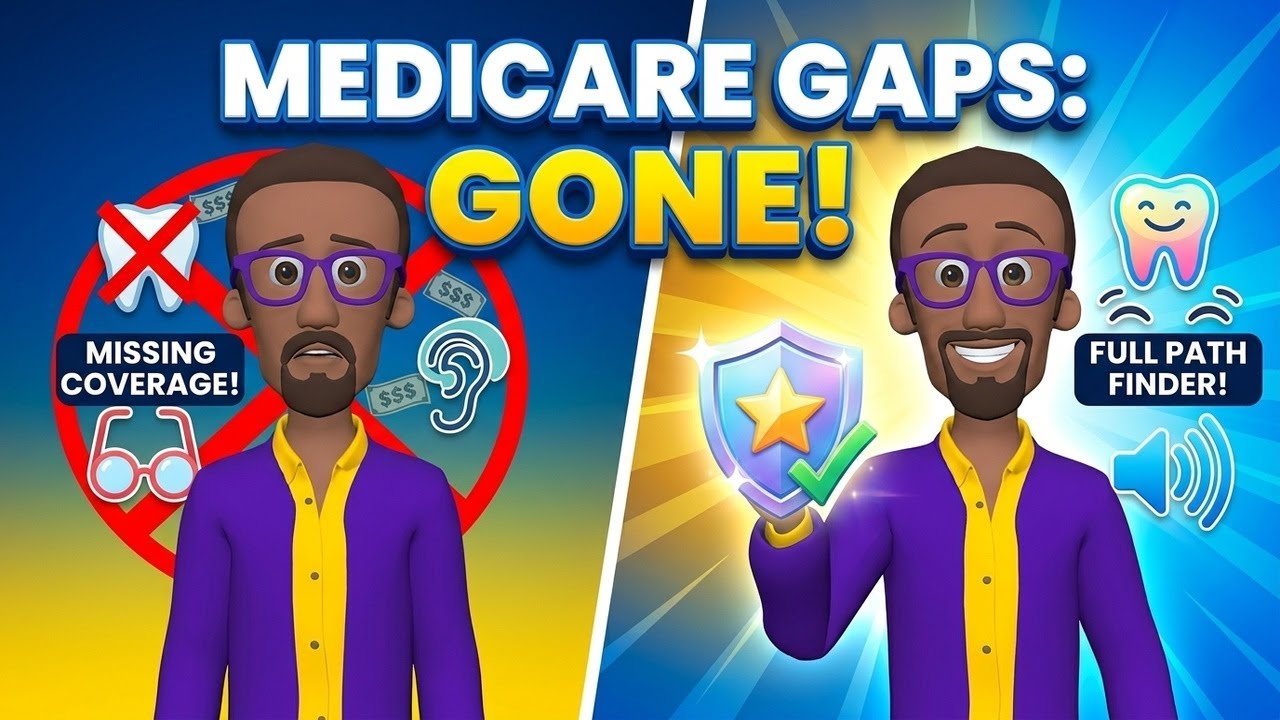
❌ Dental care (cleanings, fillings, dentures)
❌ Vision care (eye exams, glasses, contacts)
❌ Hearing aids and exams
❌ Routine foot care
❌ Long-term care (nursing homes or assisted living)
❌ Cosmetic surgery
❌ Most care outside the U.S.
❌ Prescription drugs (unless you have Part D or a Medicare Advantage plan)
💡 How to Fill the Gaps in Coverage
To get more complete protection, many people choose:
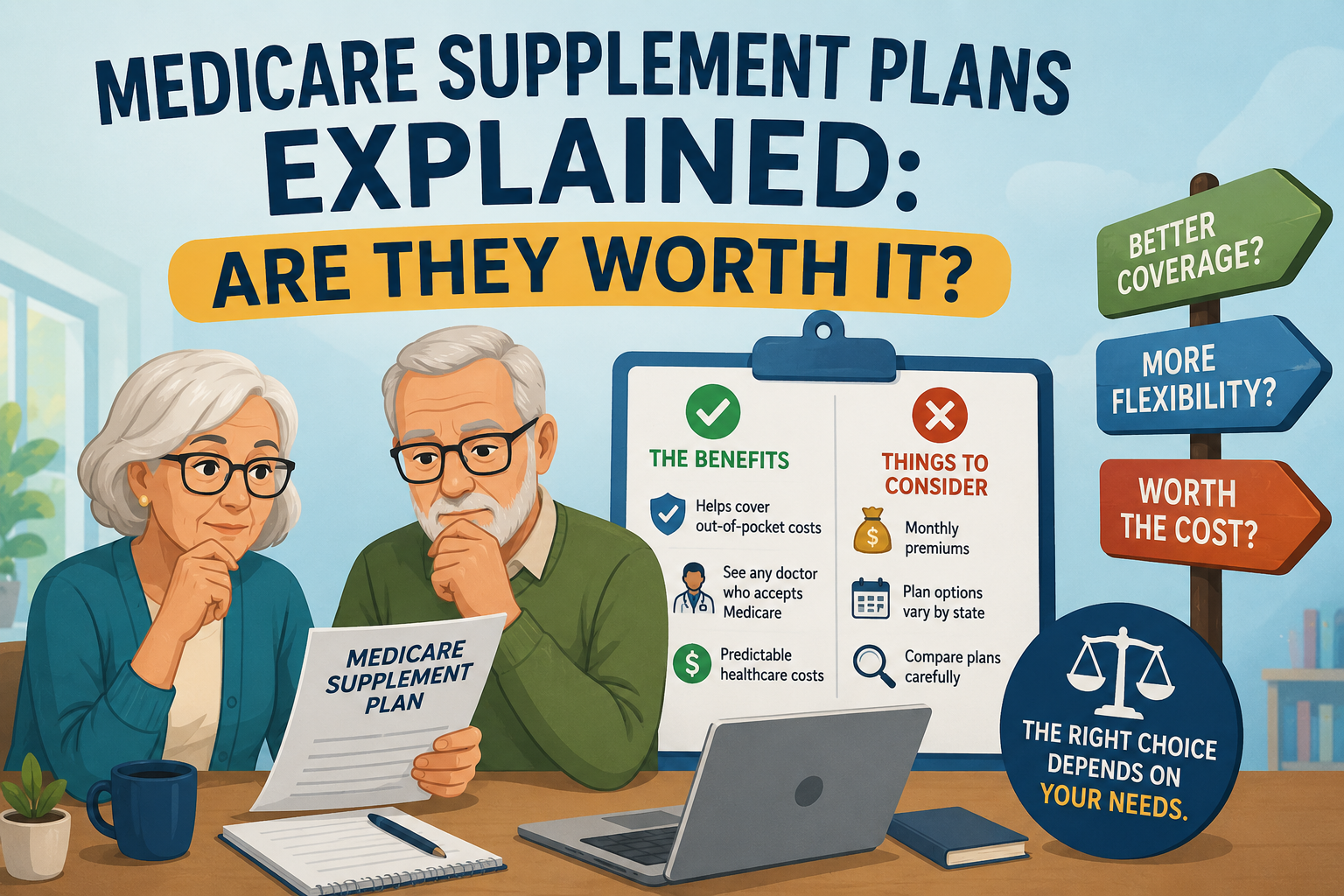
- A Medicare Supplement (Medigap) plan to help pay out-of-pocket costs from Parts A & B
- A Medicare Advantage plan that includes extra benefits like dental, vision, and hearing
- A Part D plan to cover prescriptions if staying on Original Medicare
Bottom Line
Medicare is a great foundation—but it’s not complete. Knowing what’s covered (and what isn’t) helps you avoid surprise bills and make smart choices about additional coverage.
Need help choosing the right plan? We’re here to make Medicare simple.
👉 Book Your Free Medicare Review
A licensed advisor will walk you through your options and help you get the coverage that fits your life and budget.