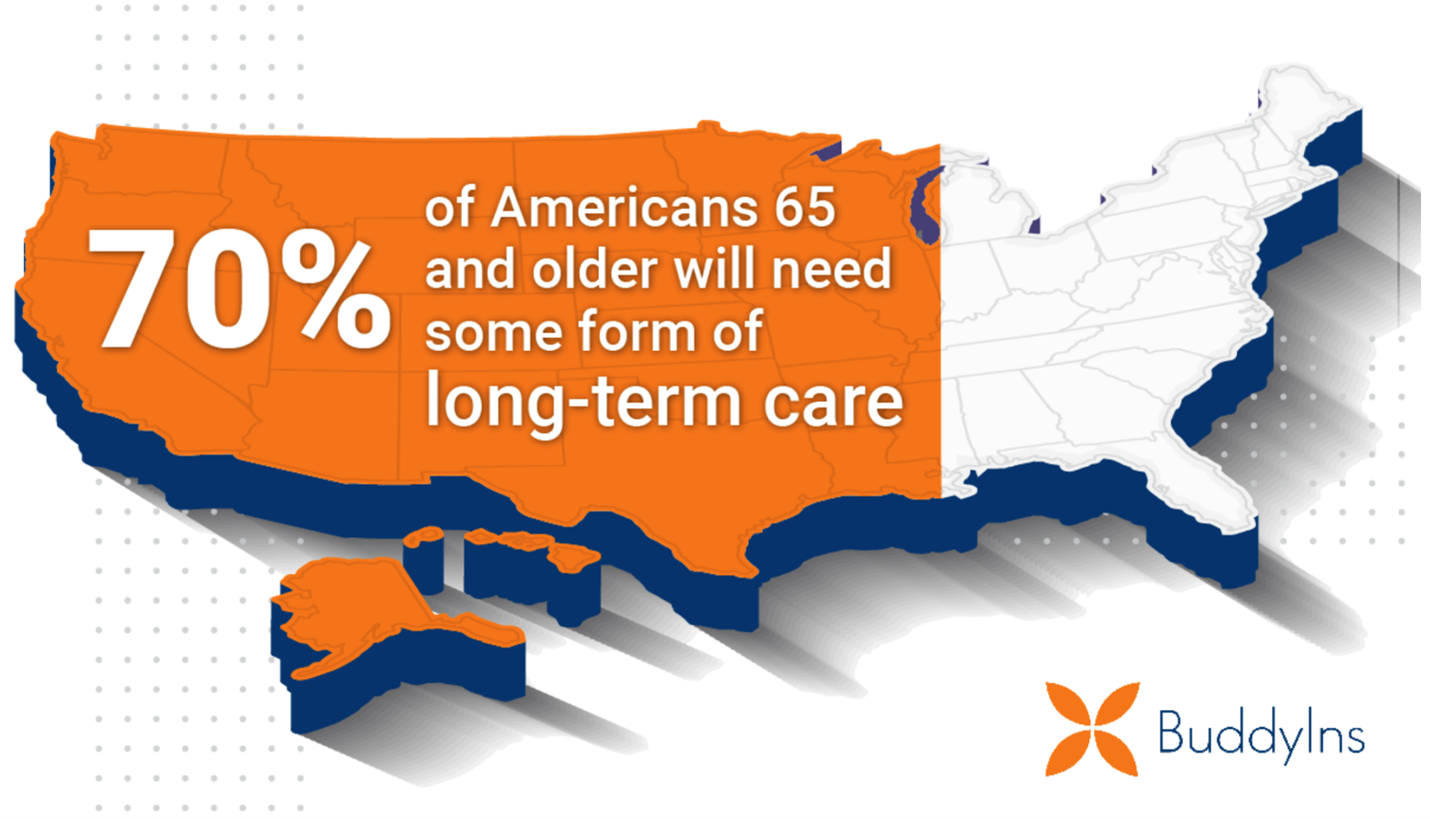

As we age, the idea of needing long-term care becomes a more pressing reality for many of us and our families. While it's a topic often avoided, planning for potential future care needs is one of the most crucial steps you can take to protect your assets, maintain your independence, and ensure your loved ones aren't burdened. Unfortunately, many seniors make common mistakes in their long-term care planning that can lead to significant financial and emotional stress down the road. As your trusted insurance advisor, I'm here to help you navigate these waters and avoid these pitfalls.
Seniors: Avoid These 5 Common Long-Term Care Planning Mistakes
1. Delaying the Conversation and the Planning Process
One of the most significant mistakes people make is simply putting off long-term care planning. It's easy to think, "I'm healthy now, I'll worry about that later," but the truth is, the best time to plan for long-term care is when you're healthy and younger. Waiting can have several detrimental effects:
Takeaway: Don't wait until a crisis forces your hand. Start exploring your options and discussing your wishes with loved ones today.
2. Underestimating the True Cost of Care
Many individuals are shocked when they learn the actual cost of long-term care. It's not uncommon for care costs to drain a lifetime of savings in just a few years. Depending on where you live and the type of care needed, costs can range dramatically:
These figures often increase year over year due to inflation. Without a clear understanding of these costs, and a plan to cover them, your financial security and legacy could be at significant risk.
Takeaway: Research local care costs and factor in inflation when estimating your potential future expenses.
3. Assuming Medicare or Health Insurance Will Cover It
This is perhaps one of the most common and dangerous misconceptions. Many people believe that their standard health insurance or Medicare will cover their long-term care needs. This is simply not true:
Takeaway: Do not rely on Medicare or your health insurance for long-term care. Explore dedicated solutions like **Long-Term Care insurance**.
4. Not Exploring All Funding Options
Just as there isn't a "one-size-fits-all" solution for health, there isn't one for long-term care planning. Failing to explore the various funding options can leave you with limited choices and potentially inadequate coverage. Here are some key options to consider: