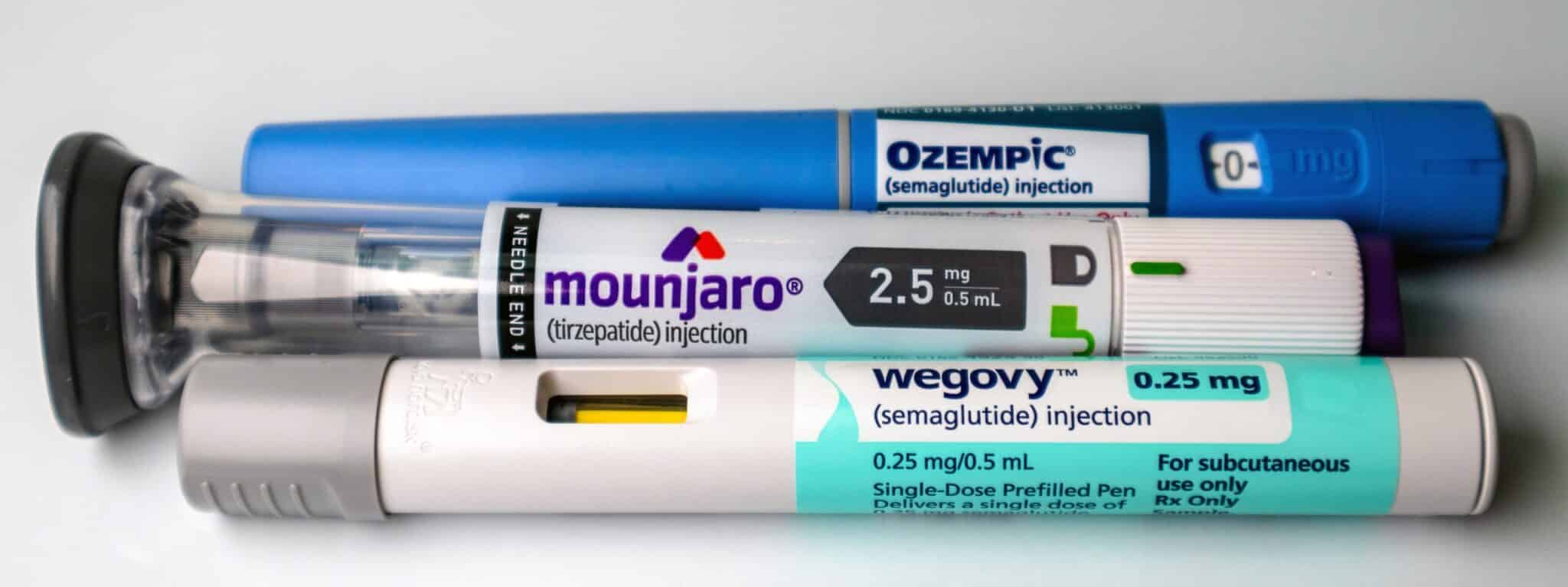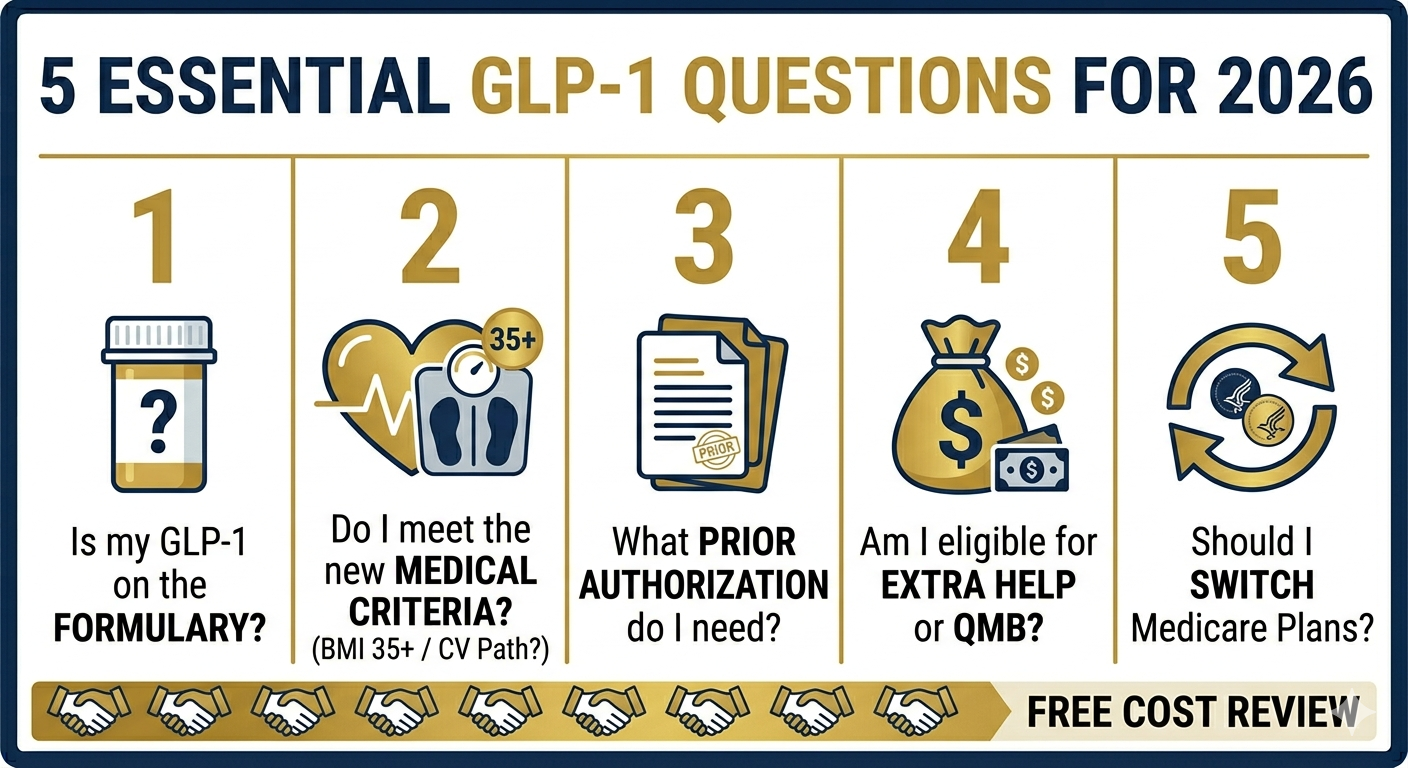

Navigating the complexities of Medicare can feel like deciphering a secret code, especially when it comes to prescription drug coverage. For many Medicare beneficiaries, the cost of medications is a significant concern, and that's where Medicare Part D steps in. Far from an optional add-on, a well-chosen Part D plan is an essential component of comprehensive healthcare, providing peace of mind and financial protection against the burden of high prescription costs. Understanding its benefits is crucial for making informed decisions about your health and your wallet.
What is Medicare Part D?
Medicare Part D is Medicare's prescription drug benefit, introduced in 2006 to help Medicare beneficiaries pay for self-administered prescription drugs. It’s offered through private insurance companies approved by Medicare, and you can get it in one of two ways:
Regardless of how you get it, Part D plans are designed to help you cover the costs of your medications, from common generics to specialized brand-name drugs, helping to ensure you can afford the treatments you need to stay healthy.
Why Is Part D Essential?
Many people underestimate the importance of Part D until they face a significant prescription bill. Here's why having a plan is not just beneficial, but often critical:
Protecting Against High Drug Costs
Even if you currently take few medications, a sudden illness or chronic condition can drastically increase your prescription needs. Part D plans offer a safety net, capping your out-of-pocket spending on drugs once you reach certain thresholds, preventing potentially catastrophic financial strain.
Promoting Medication Adherence and Preventive Care
When prescription costs are manageable, you're more likely to take your medications as prescribed, which can prevent more serious health issues down the line. Part D helps ensure you can stick to your treatment plan, promoting better health outcomes and potentially reducing the need for more intensive and expensive medical interventions.
Avoiding Late Enrollment Penalties
This is a critical point many people overlook. If you don't enroll in a Medicare Part D plan when you are first eligible and don't have other creditable prescription drug coverage (coverage that's considered as good as Medicare's), you may face a permanent late enrollment penalty. This penalty is added to your monthly premium for as long as you have Part D coverage, making it more expensive in the long run. It's calculated based on how long you went without creditable coverage, making early enrollment or continuous coverage vital.
Key Benefits of Prescription Drug Plans
Part D plans offer a range of benefits designed to make prescription drugs more affordable and accessible:
Coverage for a Wide Range of Medications
Each Part D plan has a formulary, which is a list of covered drugs. While formularies vary, they are required to cover a wide range of prescription drugs that people with Medicare take, including most drugs in certain categories such as antidepressants, antipsychotics, anticonvulsants, immunosuppressants, anticancer drugs, and HIV/AIDS drugs. Plans typically organize drugs into different "tiers," with lower-tier drugs (generics) having lower copayments than higher-tier drugs (brand-names or specialty drugs).
Cost-Sharing Mechanisms
Part D plans utilize various cost-sharing methods to help manage drug expenses:
These mechanisms help distribute costs and make expensive medications more attainable.
The Coverage Gap (Donut Hole) Explained
Historically, the coverage gap, often called the "donut hole," was a period where beneficiaries paid a higher percentage of their drug costs. Thanks to the Affordable Care Act, this gap has significantly closed. In 2024, once you and your plan have spent a certain amount on covered drugs (the initial coverage limit), you'll pay no more than 25% of the cost for both generic and brand-name drugs until you reach the catastrophic coverage limit. The manufacturer of brand-name drugs covers a significant portion of the cost in the gap, and your plan covers the rest, helping to make drugs more affordable during this phase.
Catastrophic Coverage
Once your out-of-pocket spending on covered drugs reaches a certain limit (the catastrophic coverage threshold), your plan enters the catastrophic phase. In this phase, your costs are significantly reduced. As of 2024, once you reach the catastrophic phase, you pay nothing for covered Part D drugs for the remainder of the year. This provides immense financial relief for individuals with very high prescription drug costs.
Low-Income Subsidy (Extra Help)
For those with limited income and resources, Medicare offers the Low-Income Subsidy (LIS), also known as "Extra Help." This federal program helps pay for Part D premiums, deductibles, and copayments. Receiving Extra Help can significantly reduce your out-of-pocket costs for prescription drugs, making essential medications affordable. Eligibility for Extra Help is determined by the Social Security Administration.
Choosing the Right Part D Plan
Selecting the best Part D plan requires careful consideration:
When to Enroll
It's crucial to enroll in Part D at the right time to avoid penalties and ensure continuous coverage: