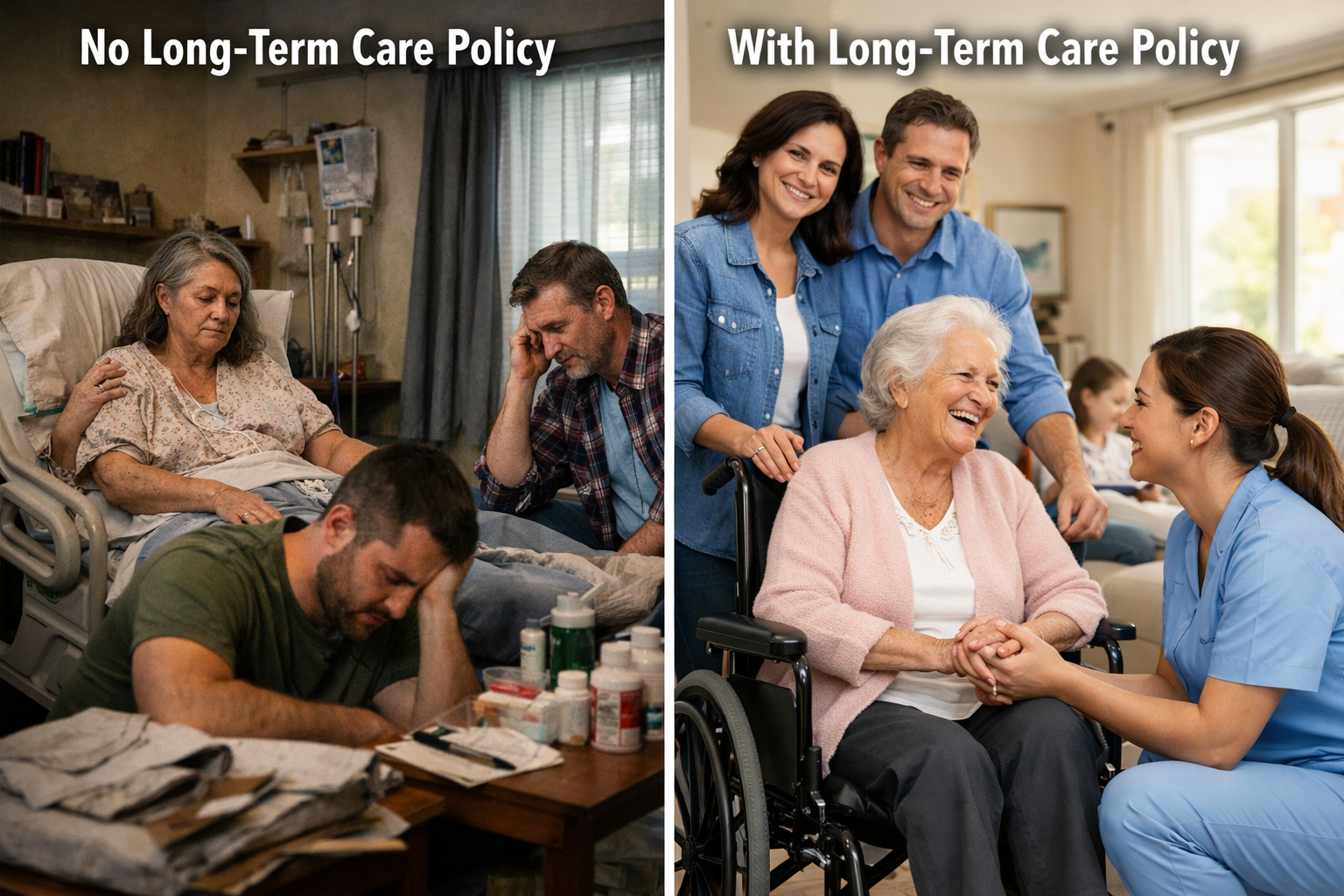

Long-Term Care Planning v. Long-Term Care Crisis Management
The prospect of needing long-term care is a reality many of us will face, yet it remains one of the most overlooked aspects of financial and life planning. As we age, the likelihood of requiring assistance with daily activities due to illness, injury, or cognitive decline increases significantly. While this future may seem distant, the way we prepare for it can lead to two vastly different outcomes: a structured, peaceful transition into care, or a chaotic, emotionally and financially draining scramble. This distinction lies at the heart of Long-Term Care Planning versus Long-Term Care Crisis Management.
The Stark Reality of Long-Term Care
According to the U.S. Department of Health and Human Services, about 70% of people turning 65 will need some type of long-term care services in their lifetime. These services can range from in-home care and adult day services to assisted living facilities and skilled nursing homes. What often surprises people is the cost: the median annual cost for a private room in a nursing home was over $108,000 in 2023, and even assisted living facilities averaged over $64,000 per year. More importantly, it's crucial to understand that Medicare generally does NOT cover long-term care, only short-term skilled nursing or rehabilitation after a hospital stay. This leaves individuals and families largely responsible for these substantial expenses.
What is Long-Term Care Planning?
Long-Term Care Planning is the proactive process of anticipating potential future care needs and implementing strategies to cover the associated costs and logistical challenges. It’s about making informed decisions today that will provide peace of mind and financial security tomorrow. This involves a comprehensive look at your health, family history, financial situation, and personal preferences for care.
Key Components of Proactive Planning: Understanding options and risks, tax-consequences and impact on family.
The Perils of Long-Term Care Crisis Management
In stark contrast, Long-Term Care Crisis Management occurs when an individual suddenly needs care without any prior planning. This reactive approach is often triggered by an unexpected health event, such as a stroke, a fall, or a rapid decline in cognitive function. When a crisis hits, families are thrust into a whirlwind of urgent decisions, emotional stress, and financial strain.
Review affordable quotes & comparisons with a Certified Long-Term Care Planning Specialist: Laura Peery, CLTCi, LauraPeeryAgency.com | (321) 848-3838